
SEO Tips for Beginners
Search Engine Optimization (SEO) is one of the most effective ways to increase your website’s visibility and attract organic traffic from search engines like Google. For beginners, SEO might seem complex or overwhelming, but it doesn’t have to be. By understanding a few basic principles—such as using the right keywords, creating helpful content, and optimizing your website structure—you can significantly improve your chances of ranking higher in search results. This guide will walk you through simple, practical SEO tips that are easy to apply and designed to help you build a strong foundation for long-term online success.
What Is SEO ?
SEO (Search Engine Optimization) is the process of optimizing a website so it appears higher in search engine results, like Google, when people search for information, products, or services.
In simple terms, SEO helps your website get more visitors for free by making it easier for search engines to understand and recommend your content.
It includes:
- Using the right keywords
- Creating helpful, relevant content
- Improving website structure and speed
- Building trust through links from other sites
Why SEO Is Important
SEO is essential because it helps your website appear in search results when people are actively looking for information, products, or services. By optimizing your site with the right keywords, quality content, and a user-friendly structure, SEO increases your visibility and drives organic traffic without relying on paid ads. This not only improves your online presence but also builds trust and credibility, since users often trust top search results. Over time, SEO supports long-term growth by consistently attracting the right audience and improving user experience.
How Search Engines Actually Work
Crawling Search engines use bots (also called spiders) to explore the web. These bots visit websites, follow links, and discover new pages.
Indexing Once a page is discovered, it is stored in the search engine’s database. This process helps the search engine understand what the page is about.
Ranking When a user searches, the search engine analyzes its indexed pages and ranks them based on relevance, quality, and authority. The best matching results appear at the top of the search results page.
Displaying Results Finally, the search engine presents the most relevant pages to the user, often showing a combination of organic results, featured snippets, and other special results like images or videos.
Keyword Research
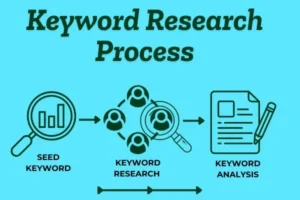
Keyword research is the first and most important step in SEO because it defines what your audience is actually searching for and the exact words they use. It is not just about picking popular terms, but about understanding user intent and aligning your content with real search queries. When keyword research is done correctly, it helps your content reach the right people at the right time.
What Makes a Good Keyword?
A good keyword is one that clearly matches what the user wants. It should have clear intent, meaning you understand whether the user wants information, wants to buy something, or wants to visit a specific website. It should also have decent search volume, so people are actually searching for it. At the same time, the keyword should have low to medium competition, especially for beginners, making it easier to rank. Most importantly, the keyword must be relevant to your website, because irrelevant traffic does not convert or engage.
Types of Keywords
Keywords can be divided based on search intent. Informational keywords are used when people want to learn something, such as “What is SEO”. Transactional keywords show buying intent, like “Buy running shoes online”. Navigational keywords are used to reach a specific website or platform, such as “YouTube login”. Commercial keywords are used when users are comparing options or planning a purchase, for example “Best SEO tools”. Understanding these types helps you create content that matches what users expect.
Why Long-Tail Keywords Are Best for Beginners
Beginners should focus on long-tail keywords, which are longer and more specific phrases. These keywords usually have lower competition and higher intent. For example, a broad keyword like “SEO” is very competitive and unclear in intent. A better option is “SEO tips for beginners”, and an even stronger choice is “SEO tips for beginners with no experience”. Long-tail keywords attract targeted visitors who are more likely to engage with your content.
Free Keyword Research Methods
You don’t need paid tools to start keyword research. Google autocomplete shows real search suggestions as you type. People Also Ask reveals common questions users have. Related searches at the bottom of Google provide keyword ideas closely connected to your topic. Once your site is live, Google Search Console helps you see which keywords are already bringing traffic and where you can improve.
In short, keyword research builds the foundation of SEO. It guides content creation, improves targeting, and increases the chances of ranking by focusing on what users truly want to find.
Technical SEO: How Well Your Website Functions
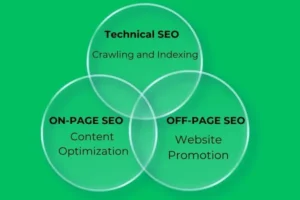
Technical SEO focuses on the behind-the-scenes elements of a website that help search engines crawl, understand, and index your pages properly. It also plays a major role in user experience. A technically strong website loads fast, works well on all devices, stays secure, and allows search engines to access content without issues. Below are the key factors that define how well your site functions.
Page Speed Page speed refers to how quickly a website loads its content for users. Slow-loading pages frustrate visitors and often lead them to leave the site without taking any action. Search engines also consider page speed as a ranking factor because faster websites provide a better user experience. Optimizing images, reducing unnecessary code, and using efficient hosting can significantly improve page speed.
Mobile Friendliness Mobile friendliness means your website works smoothly on smartphones and tablets. Since most users now browse the internet on mobile devices, search engines prioritize mobile-friendly websites. A responsive design that adjusts to different screen sizes ensures easy navigation, readable text, and clickable buttons, helping both users and search engines trust your site.
Site Structure Site structure is how your website pages are organized and linked together. A clear and logical structure makes it easier for search engines to crawl your site and understand the relationship between different pages. Good site structure also helps users find information quickly, improving engagement and reducing bounce rates.
Indexing Indexing is the process by which search engines store your web pages in their database. If your pages are not indexed, they will not appear in search results. Proper indexing depends on clean URLs, correct use of robots.txt, XML sitemaps, and avoiding technical errors that block search engines from accessing your content.
Security (HTTPS) Website security is an important part of Technical SEO. HTTPS encrypts data between the user and the website, protecting sensitive information. Search engines consider HTTPS a ranking signal and mark non-secure websites as “Not Secure,” which can reduce user trust. Using an SSL certificate helps keep your site safe and improves credibility.
Search Intent
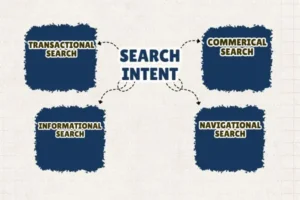
Search intent refers to the reason behind a user’s search. It explains why someone types a particular query into Google. Understanding search intent is critical because Google’s main goal is to show results that best satisfy what the user is looking for. Even if your keyword optimization is perfect, your page will struggle to rank if it does not match the user’s intent.
For example, when someone searches “SEO checklist,” they are expecting a clear, structured list they can follow. A search for “SEO tools” usually means the user wants tool recommendations or comparisons. When the query is “How does SEO work,” the intent is informational, and the user wants a detailed explanation. Each of these searches requires a different type of content to meet expectations.
Why Search Intent Matters for Rankings
Google closely analyzes how users interact with search results. If users click your page but quickly leave because the content does not match what they wanted, your rankings can drop. This is why matching intent is often more important than simply using the right keywords. Content that fully satisfies search intent tends to get better engagement, longer time on page, and higher rankings.
How to Analyze Search Intent
The easiest way to understand search intent is to search your target keyword on Google. Study the top five results carefully. Notice whether the pages are blog posts, guides, or product pages. Observe the content level and ask yourself if the results are written for beginners or advanced users. Also check the content length to see whether Google prefers detailed long-form content or shorter, direct answers.
Using Intent to Create Better Content
Once you understand the intent, shape your content accordingly. If Google is ranking long, beginner-friendly guides, your page should follow a similar structure and depth. If product pages dominate the results, informational blogs are unlikely to rank. Aligning your content format, depth, and tone with search intent increases your chances of ranking and delivering real value to users.
Types OF SEO
On Page SEO
Content
Content is the text, videos, images, and information on your website. High-quality content should be useful, original, and easy to read. Good content helps visitors stay longer on your site and makes search engines understand what your page is about. The better your content, the higher your chances of ranking on Google.
Keywords
Keywords are the words or phrases people type into search engines. You should use relevant keywords in your content so search engines know what your page is about. For example, if you have a bakery, keywords could be “best bakery near me” or “fresh cakes in [city]”. Using keywords naturally in your content helps improve rankings.
Headings
Headings (H1, H2, H3, etc.) are used to organize your content into sections. They make your content easier to read and help search engines understand the structure of your page.
- H1 is the main title
- H2 is a main section
- H3 is a sub-section
Internal Links
Internal links are links that connect one page of your website to another page on the same site. They help users navigate your website and help search engines understand the structure of your site. Internal links also pass authority from one page to another, improving the SEO of important pages.
Images
Images make your content more attractive and engaging. For SEO, you should:
- Use high-quality images
- Add alt text (describes the image)
- Compress images to improve loading speed
- Use relevant file names
Proper image optimization helps your website load faster and improves search engine visibility.
Meta Tag
Meta tags are small pieces of information in your website’s code that help search engines understand your page. The most important meta tags are:
- Meta Title: The title shown in search results
- Meta Description: A short summary shown under the title
- Meta Keywords (less used now)
Off-Page SEO
Off-Page SEO refers to all activities done outside your website to improve its ranking and reputation. These actions help search engines understand that your website is trusted, popular, and valuable.
BacklinksBacklinks are links from other websites that point to your website. They act like votes of trust. The more high-quality backlinks you have, the more search engines consider your site reliable and rank it higher.
Brand MentionsBrand mentions happen when other websites or users talk about your brand without linking to it. Even without a link, these mentions show search engines that your brand is recognized and trusted.
Social SharesSocial shares are when people share your content on social media platforms like Facebook, Twitter, or Instagram. While social shares may not directly affect ranking, they increase visibility and can lead to more backlinks and traffic.
AuthorityAuthority means how trustworthy and credible your website is in its niche. It is determined by factors like quality backlinks, brand mentions, and overall online reputation. High authority sites usually rank better in search results.
Off-Page SEO and Backlinks
Off-page SEO refers to all the actions taken outside your own website to improve its authority and rankings. The most important part of off-page SEO is backlinks. Backlinks are links from other websites that point to your site, and search engines see them as signals of trust and credibility. When reputable websites link to your content, Google understands that your site is valuable and worth ranking higher
Why Backlinks Matter
Google treats backlinks like votes of confidence. When multiple quality websites link to your pages, it tells search engines that your content is reliable and useful. However, not all backlinks are equal. A few strong, relevant backlinks are far more powerful than many low-quality ones.
What Makes a Good Backlink?
A good backlink comes from a relevant website that is related to your niche. It should bring real traffic, not just exist for SEO purposes. The link should be placed naturally within the content, not forced or hidden. The best backlinks are editorial links, meaning someone linked to your content because it genuinely added value, not because it was paid or spammy.
Beginner-Friendly Link Building Ideas
Beginners can start with simple and ethical link-building strategies. Guest blogging allows you to write helpful content for other websites and earn a backlink in return. Answering questions on forums and platforms related to your niche helps build authority and can attract natural links. Creating helpful resources, such as guides, checklists, or tools, encourages other sites to reference your content. Networking in your niche by connecting with bloggers, creators, and website owners can also lead to organic backlink opportunities.
A Warning About Spammy Links
Buying links or using spammy link-building techniques can seriously harm your website. Google’s algorithms are designed to detect unnatural links, and penalties can cause rankings to drop instead of improve. It’s always better to focus on quality, relevance, and long-term trust.
Measuring SEO Success
SEO is not instant.
What to Track
- Impressions
- Clicks
- Average position
- Organic traffic
- Indexed pages
Common Beginner Mistakes
- Expecting fast results
- Targeting impossible keywords
- Ignoring search intent
- Publishing thin content
- Not updating old posts
SEO Tools Beginners Should Use
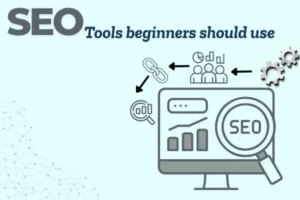
SEO tools help beginners understand how their website is performing and where improvements are needed. These tools make SEO easier by providing data about traffic, keywords, site health, and performance. Starting with the right tools allows beginners to build a strong SEO foundation without feeling overwhelmed.
Essential Free Tools
Google Search Console
Google Search Console helps you monitor how your site appears in Google search results. It shows which keywords bring traffic, indexing status, crawl errors, and performance reports. It is essential for tracking rankings and fixing technical issues.
Google AnalyticsGoogle Analytics provides insights into your website visitors. It shows where users come from, how they behave on your site, which pages perform best, and how long visitors stay. This data helps you understand what content works and what needs improvement.
Google PageSpeed InsightsGoogle PageSpeed Insights analyzes your website’s loading speed on both mobile and desktop devices. It highlights performance issues and gives recommendations to improve page speed, which is an important ranking and user experience factor.
Optional Paid Tools
Ahrefs Ahrefs is a powerful SEO tool mainly used for backlink analysis, keyword research, and competitor tracking. It helps you understand why competitors rank and how you can improve your own strategy.
SEMrushSEMrush is an all-in-one SEO platform that offers keyword research, site audits, competitor analysis, and content optimization features. It is useful for building and managing a complete SEO strategy.
UbersuggestUbersuggest is a beginner-friendly tool that provides keyword ideas, SEO audits, and content suggestions. It is simpler and more affordable compared to other paid tools, making it a good option for beginners.