
How to Rank on Google Fast (Realistic 2026 Strategy)
Ranking on Google quickly has always been one of the most sought-after goals in digital marketing. In 2026, however, the landscape has evolved dramatically. Search engines are smarter, user expectations are higher, and AI-driven search experiences are shaping how content is discovered. While there is no instant shortcut to guaranteed rankings, there are realistic, proven strategies that can significantly accelerate your visibility when applied correctly.
This guide explores modern SEO practices, technical optimizations, and content strategies designed specifically for today’s search environment—helping you rank faster without relying on outdated tricks or risky tactics.
Understanding What “Ranking Fast” Really Means
Before diving into tactics, it’s important to redefine expectations. Ranking fast does not mean appearing at the top overnight. Instead, it refers to:
- Getting indexed quickly
- Reaching visibility within weeks rather than months
- Targeting achievable keyword opportunities
- Building authority strategically
Google’s algorithm prioritizes relevance, experience, and trust. Trying to bypass those signals rarely works in 2026. Sustainable acceleration comes from aligning with ranking signals rather than manipulating them.
The SEO Landscape in 2026
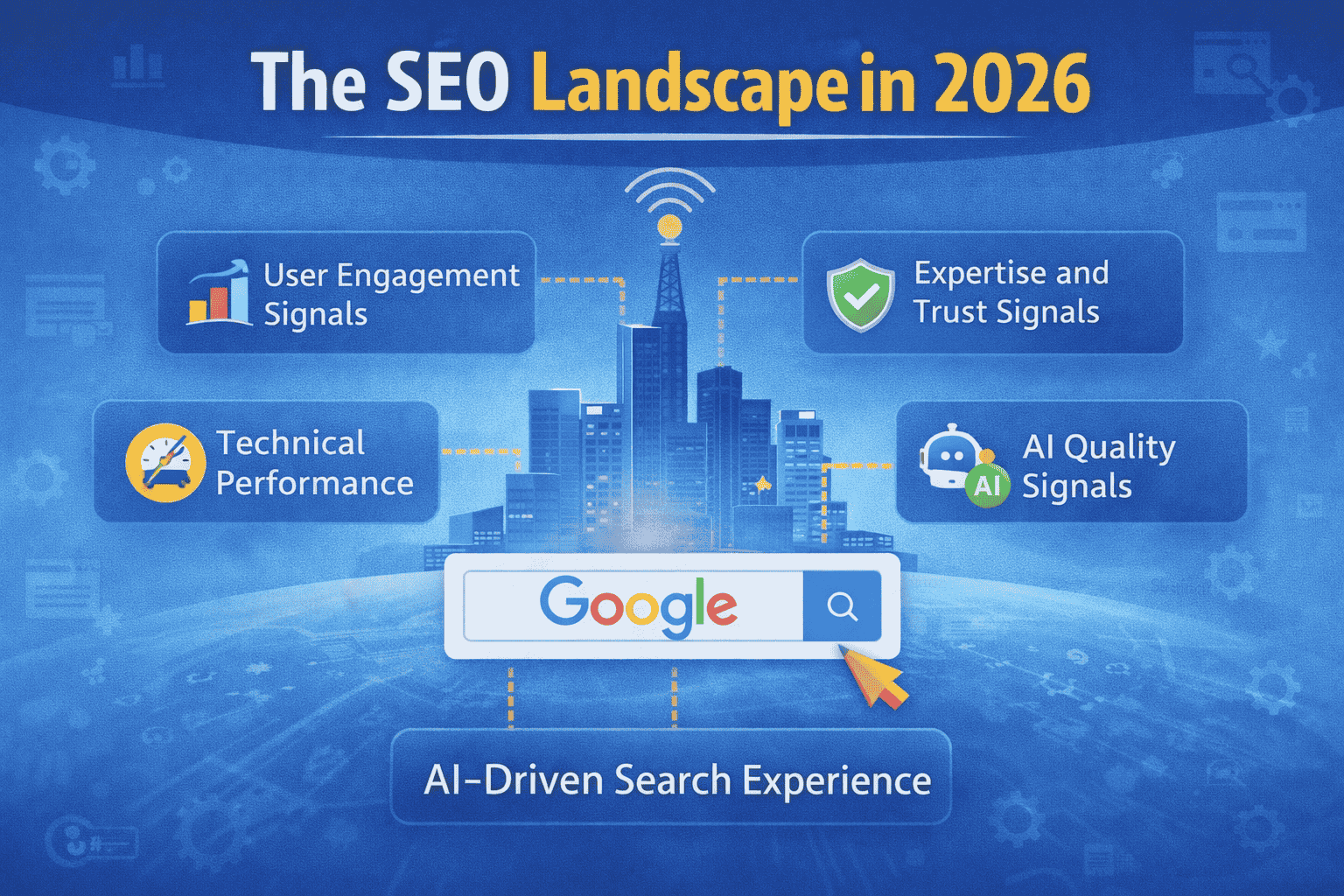
Modern search engines evaluate far more than keywords. They analyze:
- User engagement behavior
- Content expertise and trust signals
- Technical performance
- Contextual semantic understanding
- AI content quality signals
Additionally, AI-generated search summaries and voice interfaces influence how users interact with results. This means ranking strategies must focus on clarity, authority, and structured information.
Step 1—Target Smart Keywords Instead of Competitive Ones
Fast ranking begins with choosing the right keywords. High-volume keywords often take months or years to rank for, especially on newer sites.
Focus on:
- Long-tail keywords
- Low competition queries
- Question-based searches
- Localized search terms
These keywords have lower barriers and provide quicker traction. Research tools or autocomplete suggestions can reveal realistic opportunities.
Practical approach:
- Analyze search intent
- Evaluate competitor strength
- Identify gaps in existing content
Ranking faster often depends more on keyword strategy than content length.
Step 2—Create Content That Matches Search Intent Perfectly
rank on Google fast systems prioritize content that directly satisfies user intent.
Search intent categories include:
- Informational
- Transactional
- Navigational
- Commercial
To rank quickly:
- Study top-ranking pages
- Mirror structural expectations
- Deliver deeper or clearer information
Content misaligned with intent struggles regardless of quality.
Step 3—Publish High-Quality, Comprehensive Content
Thin content rarely ranks in competitive search environments. Google favors pages that demonstrate depth and expertise.
Characteristics of strong content:
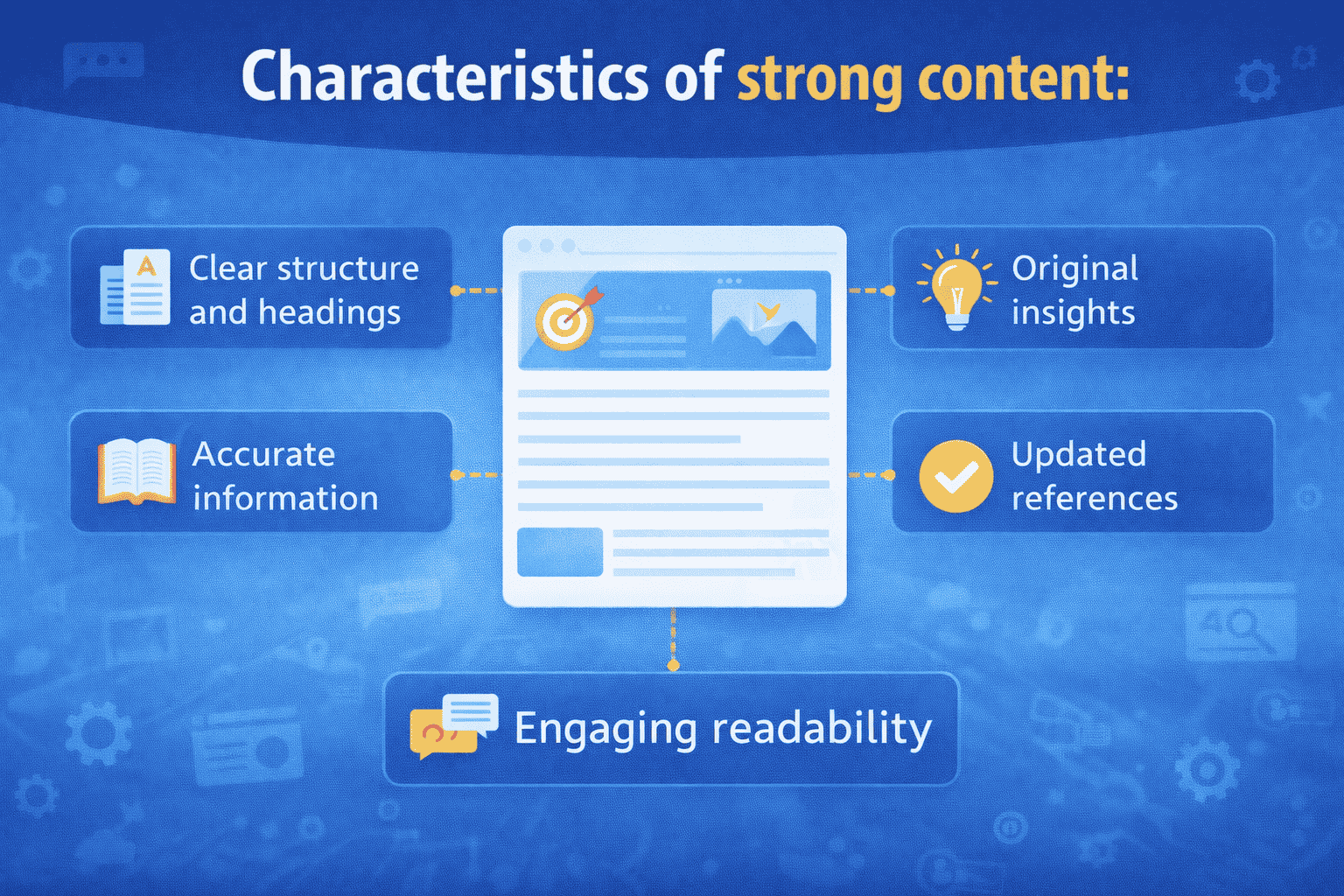
- Clear structure and headings
- Accurate information
- Original insights
- Updated references
- Engaging readability
Long-form articles often perform better because they cover topics comprehensively and satisfy user queries in a single visit.
However, quality outweighs length—filler content can harm rankings.
Step 4—Optimize On-Page SEO Elements
On-page optimization ensures search engines understand your content.
Critical elements:
- Title tags
- Meta descriptions
- Heading hierarchy
- Keyword placement
- Image alt text
- Internal linking
These signals provide context and improve crawlability. Even excellent content can underperform without proper optimization.
Step 5—Improve Website Speed and Core Performance
Performance is a direct ranking factor.
Key optimization areas include:
- Fast hosting infrastructure
- Compressed images
- Clean code
- Caching systems
- Reduced scripts
Speed influences both rankings and user experience. Faster websites often rank on Google fast because they reduce bounce rates and improve engagement signals.
Step 6—Ensure Mobile-First Optimization
Google primarily evaluates mobile versions of websites.
Essential considerations:
- Responsive design
- Readable font sizes
- Touch-friendly navigation
- Minimal intrusive elements
Mobile usability issues can delay ranking progress even when other factors are strong.
Step 7—Strengthen Technical SEO
Technical health determines how efficiently search engines crawl and index pages.
Important checks include:
- XML sitemaps
- Robots’ directives
- Secure connections
- Structured data markup
- Clean URL structure
Technical barriers slow ranking momentum. Removing them allows search engines to evaluate content sooner.
Step 8—Build Strategic Internal Linking
Internal links distribute authority across pages and guide crawlers.
Effective linking:
- Connect related topics
- Use descriptive anchor text
- Maintain logical structure
This accelerates indexing and helps new pages inherit authority from existing ones.
Step 9—Acquire Quality Backlinks
Backlinks remain a powerful ranking signal.
Focus on:
- Editorial mentions
- Guest contributions
- Industry collaborations
- Resource link placements
Quality outweighs quantity. A few relevant links can boost ranking speed significantly more than large volumes of low-quality links.
Step 10—Leverage Topical Authority
Publishing multiple related articles builds subject expertise signals.
Instead of one article:
- Create clusters of related content
- Cover subtopics
- Interlink strategically
Google recognizes depth across a topic as a credibility indicator, improving ranking potential across multiple pages.
Step 11—Optimize for AI and Featured Results
Search engines increasingly extract summarized answers.
To enhance visibility:
- Provide concise definitions
- Use structured formatting
- Include clear FAQs
- Add schema markup
These tactics increase eligibility for rich features and AI-driven result displays.
Step 12—Encourage Engagement Signals
User behavior impacts ranking performance.
Improve engagement through:
- Readable formatting
- Interactive elements
- Relevant media
- Clear navigation
Pages that retain visitors signal relevance to search systems.
Step 13—Publish Consistently
Fresh activity signals relevance and reliability.
Consistency helps:
- Crawl frequency
- Audience growth
- Authority development
A steady publishing schedule accelerates recognition within search ecosystems.
Step 14—Promote Content Strategically
Ranking speed improves when content gains visibility.
Promotion methods include:
- Social distribution
- Community engagement
- Email sharing
- Industry networking
Exposure drives traffic and potential link acquisition.
Step 15—Monitor Performance and Adapt
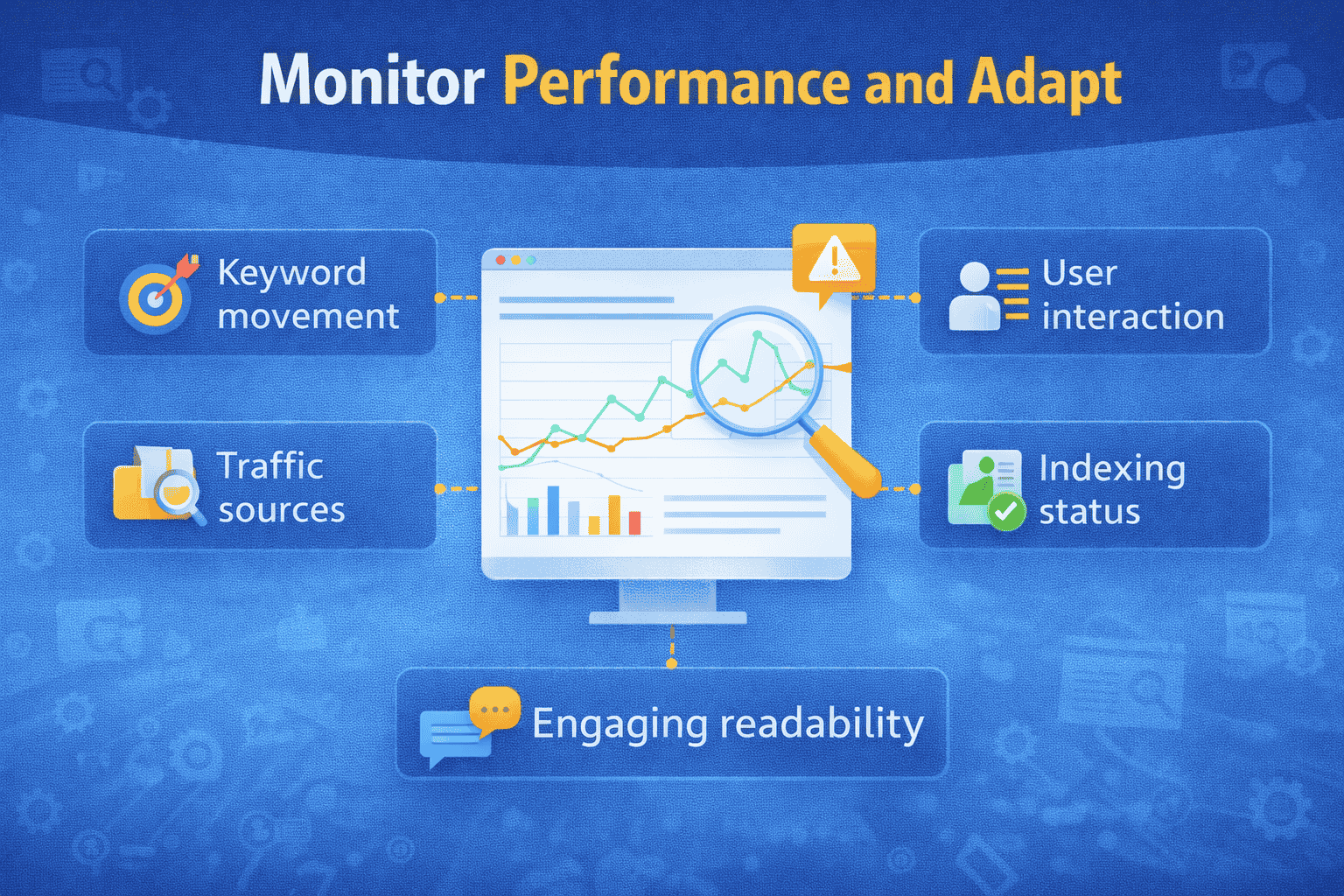
SEO is iterative.
Track:
- Keyword movement
- Traffic sources
- User interaction
- Indexing status
Continuous improvement ensures faster progress and avoids stagnation.
Common Mistakes That Slow Rankings
Avoiding pitfalls is as important as following best practices.
Frequent issues:
- Keyword stuffing
- Duplicate content
- Neglecting technical health
- Ignoring mobile optimization
- Publishing low-value pages
These mistakes reduce credibility signals and delay ranking advancement.
Realistic Timeline Expectations
Even optimized strategies require patience.
Typical progression:
- Indexing—days
- Early visibility—weeks
- Stable rankings—months
Authority level, competition, and niche difficulty all influence timelines.
Understanding realistic expectations prevents unnecessary strategy changes.
The Future of Ranking Strategies
Search technology continues evolving toward:
- Semantic understanding
- User satisfaction modeling
- AI content evaluation
- Experience-based ranking signals
Future-proof SEO focuses on usefulness, clarity, and trust rather than short-term manipulation.
Final Thoughts
rank on Google fastin 2026 is not about shortcuts or tricks. It’s about executing foundational SEO principles with precision and consistency. By targeting realistic keywords, optimizing technical health, producing meaningful content, and building authority signals, websites can accelerate visibility without risking penalties.
The most successful strategies combine patience with intelligent prioritization — focusing on actions that deliver measurable momentum rather than chasing instant results.
