

Meta Description Examples is a short piece of text that summarises the main content of a webpage. It appears below the page title in search engine results pages (SERPs) such as Google, Bing, or Yahoo. The main objective of a meta description is to help users quickly understand what a webpage is about before clicking on it. Although meta descriptions do not directly influence search engine rankings, they strongly affect user behavior by increasing click-through rate (CTR) and improving overall website visibility.
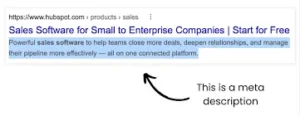
Key Concepts of Meta Description
1. Meaning and Role of Meta Description
A meta description acts as a preview of a webpage. It tells users what kind of information they will find after opening the link.
Key points:
-
Provides a summary of webpage content
-
Appears in search engine results
-
Helps users judge relevance
-
Acts as a marketing message
-
Encourages clicks
2. Importance of Meta Description in SEO
Meta descriptions are an important part of on-page SEO. While search engines do not use them as a ranking factor, they influence how many users click on a website link.
Key points:
-
Increases click-through rate (CTR)
-
Attracts targeted traffic
-
Improves user engagement
-
Reduces bounce rate
-
Builds trust and credibility
A well-written meta description can outperform higher-ranked pages if it is more attractive and relevant.
3. Ideal Length of a Meta Description
The length of a meta description must be optimized so it is not cut off in search results.
Key points:
-
Ideal length: 150–160 characters
-
Mobile limit: 120–130 characters
-
Important information should come first
-
Avoid unnecessary words
-
Keep it concise and clear
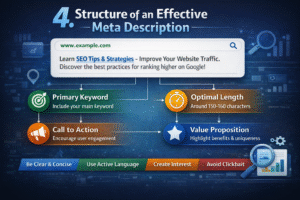
4. Structure of an Effective Meta Description
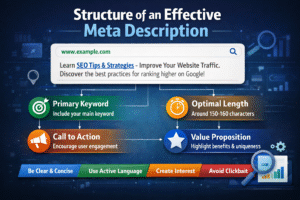
An effective meta description follows a clear structure that makes it easy to read and engaging.
Key points:
-
Starts with a strong keyword
-
Clearly explains the page’s purpose
-
Uses active voice
-
Includes a call-to-action
-
Matches user search intent
5. Blog Post Meta Description Examples
Blog posts aim to educate, inform, or entertain readers.
Examples:
-
Learn what meta descriptions are and why they matter, and see real examples to improve your SEO strategy.
-
Discover powerful meta description examples and expert tips to boost website traffic.
Why it’s effective:
-
Clear topic explanation
-
Uses action words
-
Encourages learning
6. Business Website Meta Description Examples
Business websites focus on services, trust, and solutions.
Examples:
-
We provide professional digital marketing services to help businesses grow online. Contact us today.
-
Trusted web design and SEO services to increase online visibility and sales.
Why it’s effective:
-
Highlights services
-
Builds trust
-
Includes CTA
7. E-commerce Website Meta Description Examples
E-commerce pages focus on products, prices, and offers.
Examples:
-
Buy high-quality fashion products at affordable prices with fast delivery and easy returns.
-
Shop the latest smartphones with exclusive discounts and warranty support.
Why it’s effective:
-
Mentions benefits
-
Appeals to buyers
-
Encourages purchase
8. Service Page Meta Description Examples
Service pages promote professional skills and reliability.
Examples:
-
Get expert plumbing services for homes and offices with fast response and affordable rates.
-
Professional home cleaning services by trained staff with flexible scheduling.
Why it’s effective:
-
Highlights expertise
-
Focuses on reliability
-
Clear service description
9. Educational Website Meta Description Examples
Educational websites aim to guide and teach users.
Examples:
-
Learn SEO fundamentals with easy explanations, practical examples, and expert guidance.
-
Online courses are designed to improve skills, knowledge, and career growth.
Why it’s effective:
-
Focuses on learning outcomes
-
Clear educational purpose
-
Encourages enrollment
10. Medical and Health Website Meta Description Examples
Medical websites require accuracy, trust, and clarity.
Examples:
-
Learn about diabetes symptoms, causes, and treatments with reliable medical information.
-
Trusted health tips and wellness advice from certified healthcare professionals.
Why it’s effective:
-
Builds trust
-
Clear and professional
-
Avoids misleading claims
11. Use Relevant Keywords
Using relevant keywords in a meta description helps users and search engines understand the main topic of a webpage. These keywords match what users type into search engines, making the description more meaningful and attractive. When keywords appear naturally, users feel confident that the page is relevant to their search. This increases the click-through rate and brings targeted traffic to the website. However, keywords should be used carefully and naturally to avoid keyword stuffing.
Key Points:
-
Relevant keywords match user search queries
-
They help explain page content clearly
-
Improve click-through rate (CTR)
-
Should be placed naturally in the text
-
Avoid overusing keywords
12. Add a Call to Action (CTA)
Adding a Call to Action (CTA) in a meta description encourages users to take the next step after reading the search result. A CTA clearly tells users what action they should perform, such as reading more information, learning a concept, or purchasing a product. When a meta description includes a strong and clear CTA, it becomes more engaging and persuasive. This helps increase click-through rate (CTR) by motivating users to click on the webpage. Effective CTAs are short, action-oriented, and directly related to the content of the page.
Key Points:
-
A CTA guides users on what to do next
-
Makes the meta description more engaging
-
Increases click-through rate (CTR)
-
Uses action words like learn, discover, or get started
-
Should be clear, short, and relevant
13. Avoid Common Meta Description Mistakes
Avoiding common meta description mistakes is essential for improving website visibility and user engagement. Many websites fail to attract clicks because their meta descriptions are poorly written, too long, or irrelevant to the page content. Using duplicate meta descriptions across multiple pages can confuse users and reduce trust. Similarly, keyword stuffing makes descriptions look unnatural and difficult to read. Writing clear, concise, and relevant meta descriptions helps users understand the page content and increases the chances of getting more clicks from search engine results.
Key Points:
-
Avoid writing very long or very short descriptions
-
Do not use duplicate meta descriptions
-
Avoid keyword stuffing
-
Keep the description relevant to the page content
-
Write in clear and simple language
Meta Description vs Meta Keywords
Meta descriptions and meta keywords are often confused.
Key points:
-
Meta descriptions are still useful
-
Meta keywords are ignored by Google
-
Descriptions influence users
-
Keywords do not affect rankings
Tools Used for Writing Meta Descriptions
SEO tools help create optimised meta descriptions.
Popular tools:
-
Yoast SEO
-
Rank Math
-
SEMrush
-
Ahrefs
-
Google Search Console
Role of Meta Descriptions in Digital Marketing
Meta descriptions act as mini advertisements for webpages.
Key points:
-
Improve brand messaging
-
Increase organic traffic
-
Support content marketing
-
Enhance user experience
Conclusion
Meta descriptions are an essential component of modern SEO and digital marketing. They provide users with a quick understanding of webpage content and strongly influence click-through rates. Writing detailed, relevant, and well-structured meta descriptions helps websites attract more visitors, improve engagement, and build online credibility. By studying different meta description examples and following best practices, anyone can create effective descriptions that support long-term SEO success.
