
Internal Linking Strategy: The Ultimate Guide to Boost SEO Rankings
An effective internal linking strategy is one of the most powerful yet underrated SEO techniques. Internal links connect one page of your website to another page on the same domain. When implemented correctly, they improve crawlability, distribute link equity, and enhance user experience — all of which help boost search engine rankings.
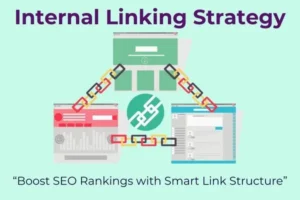
What is an Internal Linking Strategy?
An internal linking strategy is a structured approach to connecting pages within your own website. These links help users navigate your content while guiding search engines to understand your site structure. When done correctly, internal linking creates a clear path that improves both user experience and SEO performance.
How Internal Links Help Search Engines
Search engines like Google use internal links to crawl and index pages efficiently. When a page receives multiple internal links, it signals importance. This helps search engines determine which pages should rank higher. A strong internal structure ensures that no valuable page is hidden or ignored during crawling.
Improving Website Structure with Internal Links
A well-organized website follows a logical hierarchy such as Home → Categories → Subcategories → Articles. Internal links connect these layers, making it easier for users to move through your site. This structure also distributes authority from high-ranking pages to newer or less visible pages, strengthening your overall SEO.
The Role of Anchor Text in SEO Anchor text plays a crucial role in internal linking. Using descriptive and keyword-rich anchor text helps search engines understand the topic of the linked page. Instead of using generic phrases like “click here,” strategic anchor text improves keyword relevance and increases ranking potential.
Boosting User Engagement Through Smart Linking
Internal links encourage visitors to explore related content. When users spend more time on your site and visit multiple pages, it reduces bounce rate and increases engagement signals. This positive behavior indirectly supports better rankings and improves overall site performance.
Common Internal Linking Mistakes to Avoid
Overlinking, using repetitive anchor text, and linking to irrelevant pages can weaken your SEO strategy. Another common mistake is ignoring deep pages that need authority. Every important page should receive at least one contextual internal link to remain visible and competitive.
How to Build a Powerful Internal Linking Structure for Better Crawlability
Crawlability refers to how easily search engine bots can discover and access the pages on your website. Search engines like Google rely on links to move from one page to another. If your internal linking structure is weak or disorganized, important pages may not get crawled or indexed properly. A strong internal linking system ensures that every valuable page is reachable within a few clicks.
Start with a Clear Site Hierarchy
The foundation of a powerful internal linking structure is a logical site hierarchy. Your website should follow a simple structure such as Home → Category → Subcategory → Content Page. This makes it easier for both users and search engines to understand how your content is organized. A clean hierarchy prevents confusion and helps distribute authority effectively.
Use Contextual Links Within Content
Contextual internal links—those placed naturally within your content—are the most powerful for SEO. These links provide relevance and context to search engines. When you link related articles together using descriptive anchor text, you strengthen topical relationships and improve crawl paths across your website.
Keep Important Pages Close to the Homepage
Pages that are closer to the homepage generally receive more authority and are crawled more frequently. Make sure your most important pages are not buried too deep within your site structure. Ideally, key pages should be accessible within three clicks from the homepage.
Avoid Orphan Pages Orphan pages are pages that have no internal links pointing to them. Even if they exist in your sitemap, they are harder for search engines to discover. Regularly audit your website to ensure every important page has at least one relevant internal link directing to it.
Optimize Anchor Text for Clarity Anchor text should clearly describe the destination page. Instead of vague phrases like “read more,” use keyword-focused anchors that reflect the topic of the linked page. This improves topical signals and enhances crawl efficiency.
Maintain a Balanced Linking Strategy While internal linking is important, overloading a page with too many links can dilute link equity and confuse search engines. Focus on linking naturally and strategically. Each link should provide real value to the user and support your overall site structure.
Regularly Audit and Update Internal Links As your website grows, your internal linking structure should evolve. Update old articles with new links, fix broken links, and ensure your structure remains logical. Regular audits help maintain strong crawlability and keep your SEO strategy effective.
Smart Internal Linking Techniques to Increase Website Authority
Understanding Website Authority
Website authority reflects how trustworthy and valuable your website appears to search engines. While backlinks play a major role, internal linking is equally important. Search engines like Google analyze internal links to understand which pages on your site carry the most importance. A smart internal linking strategy helps distribute authority across your website and strengthens overall SEO performance.
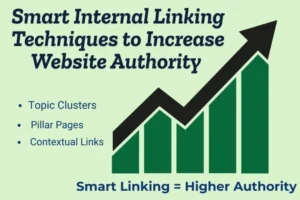
Build Topic Clusters Around Pillar Pages One of the most effective techniques is creating topic clusters. Start with a comprehensive pillar page targeting a broad keyword. Then create multiple related articles that cover subtopics in detail. Link all supporting articles back to the pillar page and interlink them where relevant. This structure signals topical authority and improves ranking potential.
Pass Authority from High-Traffic Pages
Identify pages that already receive strong traffic or backlinks. These pages naturally hold more authority. By strategically linking from these high-performing pages to important or newer pages, you can pass link equity and boost their ranking strength.
Use Contextual and Relevant Anchor Text Contextual internal links placed naturally within content carry more weight than sidebar or footer links. Use descriptive and keyword-focused anchor text to clearly indicate the topic of the linked page. This helps search engines understand content relationships and improves semantic relevance.
Strengthen Deep Pages Many websites focus only on linking top-level pages, ignoring deeper content. Smart internal linking ensures that deep pages (such as blog posts or product pages) receive sufficient internal links. This prevents them from becoming weak or invisible in search results.
Maintain a Logical Site Architecture A flat and organized site structure improves authority flow. Important pages should be accessible within a few clicks from the homepage. A clear hierarchy allows authority to move smoothly across categories, subcategories, and individual content pages.
Update Old Content with New Links Refreshing older content with links to newly published articles is a powerful technique. It not only improves crawlability but also redistributes authority to fresh pages. Regular updates keep your internal linking structure dynamic and optimized.
Avoid Over-Optimization
While internal linking is powerful, excessive linking or repetitive anchor text can reduce effectiveness. Keep links natural and user-focused. Each link should add value and guide readers toward useful related information.
How Internal Links Help Distribute Page Authority Across Your Site
Internal Links as Authority Pathways
Internal links act like pathways that move SEO value from one page to another within your website. When search engines such as Google crawl your site, they follow these links to understand which pages are connected and which ones hold more importance. This connection directly influences how authority flows across your site.
Sharing Link Equity from Strong Pages
Some pages naturally gain more authority because they attract backlinks, traffic, or engagement. When these strong pages internally link to other pages, they pass a portion of their authority—often called link equity. This helps weaker or newer pages gain ranking strength without needing external backlinks immediately.
Boosting High-Priority Pages
Every website has pages that matter more than others, such as service pages, cornerstone content, or top product categories. By increasing internal links pointing to these priority pages, you signal their importance. The more strategically placed internal links a page receives, the more authority it accumulates.
Supporting New Content
New pages usually start with zero authority. Linking to them from established articles or category pages allows authority to flow toward them quickly. This improves crawl speed, indexing chances, and ranking potential.
Improving Overall Site Balance
Without proper internal linking, authority can become concentrated on only a few top-level pages. A well-structured linking strategy distributes that value evenly across categories, blog posts, and deeper pages. This balanced distribution strengthens your entire website rather than just a handful of URLs.
The Role of Internal Links in Improving Google Indexing
Indexing is the process where search engines store and organize web pages in their database after crawling them. When a page is indexed, it becomes eligible to appear in search results. Search engines like Google rely heavily on internal links to discover, crawl, and understand website content efficiently.
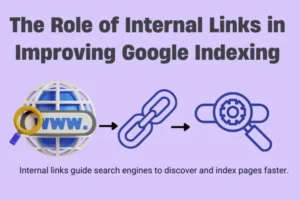
Internal Links Help Google Discover New Pages
Internal links act as pathways for search engine bots. When a new page is published, linking it from existing indexed pages helps Google find it faster. Without internal links, new pages may remain undiscovered for a long time, especially if they don’t have external backlinks.
Strengthening Crawl Efficiency Google allocates a specific crawl budget to every website. A well-structured internal linking system ensures that bots use this crawl budget efficiently. When pages are logically connected, Google can move smoothly from one page to another without wasting resources on dead ends or unnecessary loops.
Establishing Content Relationships
Internal links help Google understand how different pages relate to each other. By using descriptive anchor text, you provide context about the linked page’s topic. This improves semantic understanding and strengthens the overall topical authority of your website.
Preventing Orphan Pages Orphan pages are pages that have no internal links pointing to them. Even if they exist on your website, Google may struggle to find and index them. Proper internal linking ensures that every important page is connected within your site structure and accessible to search engine crawlers.
Distributing Authority for Better Indexing
Pages that receive more internal links are generally seen as more important. Linking to priority pages more frequently signals their value to Google. This not only improves indexing speed but can also positively influence ranking potential.
Supporting Faster Re-Indexing After Updates When you update old content, internal links help Google revisit those pages more quickly. Pages that are frequently linked from active sections of your website are crawled more often, ensuring that changes are reflected in search results faster.
Fixing Orphan Pages with a Strong Internal Linking Strategy
The Hidden SEO Issue You Might Be Ignoring
Orphan pages are pages on your website that have no internal links pointing to them. Because search engines like Google discover content through links, these pages often remain unnoticed, under-indexed, or completely invisible in search results.
Why Orphan Pages Damage Your SEO
Orphan pages can silently weaken your website’s overall performance because:
-
They receive no internal link equity
-
They are crawled less frequently
-
They struggle to rank in search results
-
Users cannot easily navigate to them
-
They reduce the efficiency of your site structure
Even high-quality content can fail if it’s disconnected from your internal linking system.
Identify Orphan Pages
Before fixing the issue, you must locate it. You can:
-
Compare your XML sitemap with your crawl data
-
Use SEO audit tools to detect pages with zero inbound internal links
-
Check Google Search Console for indexed but low-visibility pages
Any page that exists but has no internal links needs attention.
Add Contextual Internal Links
The most effective solution is adding contextual links within relevant content.
Focus on:
-
Linking from related blog posts
-
Adding links from category or pillar pages
-
Using descriptive, keyword-relevant anchor text
-
Placing links naturally inside the main content body
Contextual links provide both authority and topical relevance.
Link from High-Authority Pages
To accelerate improvement:
-
Add links from high-traffic pages
-
Use cornerstone content to support weaker pages
-
Place links in strategic sections (intro or body content)
This helps transfer link equity and improves crawl frequency.
Internal Linking Best Practices for E-commerce Websites
Why Internal Linking Matters for Online Stores
For e-commerce websites, internal linking is more than just navigation—it directly impacts product visibility, crawlability, and sales. Search engines like Google rely on internal links to discover product pages, understand category relationships, and determine which pages are most important. A strong internal linking strategy ensures your products are properly indexed and ranked.
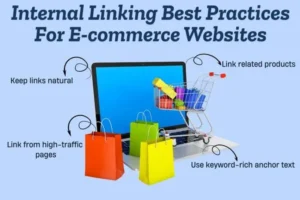
Create a Clear Category and Subcategory Structure
Your store should follow a logical hierarchy such as:
Home → Main Category → Subcategory → Product Page
This structure makes it easier for users to browse and for search engines to crawl. Each category page should internally link to its subcategories and products, while product pages should link back to relevant categories.
Use Breadcrumb Navigation Breadcrumb links improve both usability and SEO. They show users where they are within your website and create additional internal links pointing back to higher-level category pages. This strengthens site structure and distributes authority effectively.
Example:
Home > Men’s Clothing > Shoes > Running Shoes
Link to Related and Recommended Products
Adding “Related Products,” “Frequently Bought Together,” or “You May Also Like” sections on product pages creates contextual internal links. This not only improves crawl paths but also increases average order value by encouraging users to explore more items.
Optimize Anchor Text for Product and Category Pages
Avoid generic anchors like “View Product.” Instead, use descriptive anchor text that includes relevant keywords, such as “Men’s Running Shoes” or “Wireless Bluetooth Headphones.” This helps search engines understand the content of the linked page.
Strengthen High-Priority Pages
Some pages are more important for revenue, such as best-selling products, seasonal offers, or high-margin categories. Link to these pages more frequently from the homepage, blog content, and promotional banners to pass more internal authority.
How to Use Anchor Text Effectively in Internal Linking
Think of Anchor Text as a Signal
Anchor text is not just clickable text — it is a signal that tells search engines what the linked page is about. When search engines like Google crawl your website, they analyze anchor text to understand topic relevance and content relationships. Clear and meaningful anchor text strengthens your SEO foundation.
Be Specific, Not Generic Generic anchors like “click here” or “learn more” provide no context. Instead, use specific phrases that describe the destination page. For example, linking with “on-page SEO checklist” is far more powerful than using vague wording. Specific anchors improve clarity for both users and search engines.
Write for Humans First
Effective anchor text should feel natural within the sentence. Avoid stuffing keywords awkwardly. If the anchor disrupts the reading flow, it reduces user experience. The best anchor text blends smoothly into the content while clearly indicating where the link leads.
Use Variation to Stay Natural
Repeating the exact same keyword as anchor text across multiple pages can look unnatural. Mix it up with related phrases, partial matches, and semantic variations. This creates a balanced linking profile and avoids over-optimization risks.
Focus on Contextual Placement Anchor text inside the main content body carries more SEO value than links placed in sidebars or footers. Contextual links surrounded by relevant text provide stronger topical signals and improve internal link effectiveness.
Align Anchor Text with Page Intent Make sure the anchor matches the purpose of the linked page. If you’re linking to a product page, use action-oriented anchors. If you’re linking to an informational guide, use descriptive, knowledge-focused phrases. This improves relevance and user satisfaction.
Internal Linking vs External Linking: Key SEO Differences
Two Types of Links, Two Different Roles
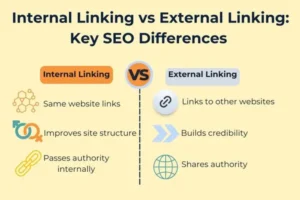
Links are the backbone of SEO, but not all links work the same way. Internal links connect pages within your own website, while external links connect your site to other domains. Search engines like Google analyze both types to understand authority, relevance, and website structure.
Internal Linking: Building Strength from Within
Internal linking is about connecting your own content strategically. It helps search engines move through your website and understand which pages matter most.
What Internal Linking Does:
-
Creates a clear website structure
-
Passes link equity between pages
-
Helps new pages get indexed faster
-
Improves user navigation
-
Strengthens topical authority
The biggest advantage? You control everything — anchor text, placement, and linking frequency.
External Linking: Building Authority from Outside
External linking involves connections between your website and other websites. This includes both outbound links (you linking to others) and backlinks (others linking to you).
What External Linking Does:
-
Builds domain authority through backlinks
-
Signals credibility and trust
-
Increases brand visibility
-
Drives referral traffic
-
Improves competitive ranking power
Backlinks are especially powerful because they act as “votes of confidence” from other websites.
Common Internal Linking Mistakes That Hurt Your SEO Performance
Internal linking can strengthen your SEO — but when handled poorly, it can quietly damage your rankings. Search engines like Google rely on internal links to understand your website structure and page importance. If your linking strategy is messy or unplanned, your SEO performance will suffer.
Let’s look at the most damaging internal linking mistakes in a more practical way.
Leaving Important Pages Unlinked
If a page has no internal links pointing to it, it becomes invisible within your website. These orphan pages receive no authority and are harder to index. Every key page should be connected to at least one relevant piece of content.
Using Weak Anchor Text Anchor text like “click here” or “learn more” doesn’t tell search engines anything about the linked page. Strong internal linking uses descriptive, keyword-focused anchors that clearly explain what the user will find.
Forcing Too Many Links Into One Page More links don’t automatically mean better SEO. When you overload a page with dozens of internal links, you dilute authority and create a cluttered experience. Strategic placement is far more effective than excessive linking.
Linking Without Relevance
Internal links should feel natural and helpful. If you link to unrelated pages just to push authority, it confuses both users and search engines. Relevance is key to maintaining topical strength.