

How to do keyword research
Keyword research is the foundation of SEO because it helps you understand what people are actually searching for on Google. Instead of guessing topics, keyword research allows you to create content based on real search demand. When you know the exact words and phrases your audience uses, you can write blog posts, website pages, and articles that match their needs. This increases your chances of ranking higher and getting organic traffic.
The first step in keyword research is understanding your niche and target audience. Think about what problems your audience faces, what questions they ask, and what solutions they are looking for. Start by writing down broad topics related to your website. For example, if your website is about SEO, your main topics might be “on-page SEO,” “technical SEO,” or “keyword research.” These are called seed keywords. They help you generate more detailed keyword ideas.

keyword research for beginners
Keyword research is the process of finding the words and phrases people type into search engines like Google. For beginners, it is the first and most important step in SEO. If you choose the right keywords, your content has a better chance of ranking higher and attracting the right audience. Without proper keyword research, even well-written content may not get traffic.
Understanding Your Niche and Audience
Before searching for keywords, you must understand your niche and target audience. Think about what topics your website covers and what problems your audience wants to solve. Identify common questions, challenges, and interests related to your niche. When you clearly understand your audience, it becomes easier to find relevant keywords.
Finding Seed Keywords
Seed keywords are basic, broad terms related to your niche. These are starting points for deeper research. For example, if your blog is about SEO, your seed keywords might be “on-page SEO,” “technical SEO,” or “keyword research.” These simple words help you generate more specific keyword ideas.
Using Free Keyword Research Methods
Beginners can use free tools and methods to find keywords. Google Autocomplete shows suggestions when you type in the search bar. The “People Also Ask” section provides common questions related to your topic. “Related Searches” at the bottom of the page also gives useful ideas. These methods help you discover long-tail keywords without spending money.
Understanding Long-Tail Keywords
Long-tail keywords are longer and more specific phrases. For example, instead of targeting “SEO,” you can target “SEO tips for small businesses.” These keywords usually have lower competition and are easier for beginners to rank for. They also attract more targeted traffic because they match specific search queries.
Checking Search Volume and Competition
After collecting keyword ideas, check their search volume and competition. Search volume tells you how many people search for a keyword each month. Competition shows how difficult it is to rank for that keyword. Beginners should focus on low-competition keywords with moderate search volume to increase their chances of ranking.
Search intent is the reason behind a user’s search. Some keywords are informational, some are commercial, and some are transactional. Your content must match the user’s intent. For example, someone searching “what is keyword research” wants information, while “best keyword research tools” shows buying intent.
SEO Keyword Research Process
The SEO keyword research process begins with understanding your niche, audience, and overall goals. Before using any tool, you need clarity about who your target audience is and what type of information they are searching for. Think about their problems, questions, and needs. Keyword research is not only about traffic; it is about attracting the right people who are genuinely interested in your content, products, or services. When you clearly define your audience and objectives, your keyword strategy becomes more focused and effective.
The next step is identifying seed keywords. Seed keywords are basic terms related to your topic that act as the starting point of your research. For example, if your website is about SEO, your seed keywords might include “SEO tips,” “keyword research,” or “technical SEO.” These core terms help you discover more specific keyword ideas. At this stage, you are building a foundation that will later expand into more detailed and targeted keyword variations.
Search Intent Based Keyword Research
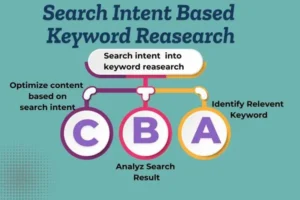
Search intent based keyword research means selecting and analyzing keywords according to the purpose behind a user’s search. Instead of focusing only on search volume, this strategy focuses on understanding what the user wants to achieve when typing a query into Google. When your content matches that intent, your chances of ranking improve.
What It Focuses On
Search intent based keyword research focuses on:
- Understanding user goals
- Matching content with user expectations
- Creating the right type of content for the keyword
This approach ensures your content satisfies what the searcher is actually looking for.
Why It Is Important
This method is important because:
- Google ranks content that best satisfies intent
- It improves engagement and reduces bounce rate
- It increases chances of conversions
If your content does not match intent, it may not rank even if it is well optimized.
How It Works
Search intent based keyword research works by:
- Searching the keyword on Google
- Analyzing top-ranking results
- Identifying whether the intent is informational, commercial, or transactional
You then create content that aligns with the dominant intent shown on the first page.
Main Benefit
The main benefit of search intent based keyword research is that it helps you attract relevant and targeted traffic. Instead of bringing random visitors, it brings users who are more likely to engage with your content or take action.
Keyword Research Techniques for SEO
Keyword research is the foundation of successful SEO. It helps you understand what your audience is searching for and how you can create content that matches their needs. Whether you are a beginner or an experienced marketer, using the right keyword research techniques can significantly improve your website rankings and organic traffic.
Below are the most effective keyword research techniques for SEO.
Start with Seed Keywords
Every keyword strategy begins with seed keywords. These are broad terms related to your niche or industry. For example, if your website is about SEO, your seed keywords might be “SEO tips,” “keyword research,” or “on-page SEO.”
Seed keywords help you generate more specific keyword ideas. Once you identify a few core topics, you can expand them into long-tail variations that are easier to rank for.
Use Google Search Suggestions
One of the simplest and most powerful techniques is using Google search suggestions. When you type a query into Google, the autocomplete feature shows popular related searches. These suggestions are based on real user data, making them highly valuable for keyword discovery.
You should also explore the “People Also Ask” section and the “Related Searches” area at the bottom of the results page. These sections provide question-based keywords and related phrases that can be used as blog headings or standalone articles.
Analyze Search Intent
Understanding search intent is critical for SEO success. There are generally four types of search intent: informational, navigational, commercial, and transactional.
Before selecting a keyword, search it on Google and study the top-ranking pages. If most results are detailed guides, then users are looking for informational content. If product pages dominate, the intent is likely transactional. Matching your content to search intent increases your chances of ranking higher.
Focus on Long-Tail Keywords
Long-tail keywords are longer, more specific phrases that usually have lower competition. Instead of targeting a broad keyword like “SEO,” you could target “keyword research techniques for SEO beginners.”
Long-tail keywords attract more targeted traffic and are easier to rank for, especially if your website is new. This technique is highly recommended for small blogs and niche websites.
Use Free and Paid Keyword Tools
Keyword tools help you analyze search volume, competition, and keyword difficulty. Free tools like Google Keyword Planner provide basic search volume data. You can also use Google Trends to see whether interest in a keyword is rising or declining.
For deeper analysis, paid tools such as Ahrefs and SEMrush offer detailed keyword metrics, competitor insights, and ranking difficulty scores.
Study Competitor Keywords
Analyzing competitor websites is another effective keyword research technique. Look at the pages that rank on the first page for your target keyword. Study their headings, content length, and keyword usage.
By identifying gaps in their content, you can create more comprehensive and valuable articles. Competitor analysis helps you understand what works in your niche and how you can improve upon it.
Analyze Keyword Difficulty and Competition
Not all keywords are easy to rank for. High-volume keywords often have strong competition. Before targeting a keyword, evaluate how competitive it is by examining the authority of the websites ranking on the first page.
If the top results are dominated by well-known brands with high domain authority, it may be difficult to compete. In such cases, targeting more specific or long-tail variations is a smarter strategy.
Build Topic Clusters
Instead of targeting single keywords randomly, organize your content into topic clusters. Choose one main topic and create multiple related articles around it. This improves internal linking and strengthens your website’s topical authority.
For example, under the main topic “Keyword Research,” you can create articles about long-tail keywords, keyword tools, search intent, and competitor analysis. Topic clusters help search engines understand your expertise in a particular subject.
Monitor Trends and Update ContentSEO is not a one-time process. Search trends change over time, so it’s important to monitor your keywords regularly. Using tools like Google Trends, you can track shifts in search interest.
Updating old content with fresh information, improved headings, and new keyword variations can help maintain or improve rankings over time.
What Is Keyword Research Without Paid Tools?
Keyword research without paid tools means finding search terms and content ideas without using premium SEO software like Ahrefs or SEMrush. Instead of relying on advanced paid data, you use free platforms, manual research, and search engine insights to discover what people are looking for online. This approach is especially helpful for beginners, bloggers, and small website owners who want to grow traffic without investing money in expensive tools.

The main goal remains the same: identify keywords that have search demand and low competition, then create valuable content around them.
Using Google for Free Keyword Ideas
One of the most powerful free keyword research resources is Google itself. When you type a keyword into the search bar, Google’s autocomplete feature suggests related search phrases based on real user activity. These suggestions are valuable because they reflect what people are actually searching for.
You can also check the “People Also Ask” section to find common questions related to your topic. Additionally, the “Related Searches” section at the bottom of the page provides more keyword variations. By collecting these suggestions, you can build a strong list of content ideas without paying for any SEO software.
Checking Search Volume with Free Tools
Although you may not get highly detailed data, free tools still provide useful insights. Google Keyword Planner allows users to see average monthly search ranges and competition levels. Even though it is designed for advertisers, it helps beginners understand whether a keyword has traffic potential.
Another helpful tool is Google Trends, which shows whether interest in a keyword is increasing, decreasing, or staying stable over time. This helps you avoid targeting topics that are losing popularity and focus instead on keywords with long-term potential.
Analyzing Competition Manually
Without paid tools, manual competitor research becomes very important. You can search your target keyword on Google and carefully study the top-ranking websites. Look at their content length, structure, headings, and overall quality.
If the first page is dominated by small blogs rather than big authority sites, it usually means the competition is manageable. In that case, you can create more detailed and better-structured content to compete effectively. Manual analysis may take more time, but it builds strong SEO understanding.
Keyword Research Checklist for SEO
A keyword research checklist for SEO helps you choose the right keywords before creating content. Instead of randomly selecting topics, this checklist ensures your keywords have demand, manageable competition, and clear search intent. Using a structured process improves your chances of ranking on Google.
Identify Your Main TopicStart by defining your core topic or niche. Choose a subject that is relevant to your website and audience. Your keyword should align with your overall content strategy and business goals.
Checklist:
- Is the keyword related to your niche?
- Does it match your website’s focus?
- Can you create valuable content around it?
Check Search VolumeMake sure people are actually searching for the keyword. Even basic search volume data from tools like Google Keyword Planner can help you understand demand.
Checklist:
- Does the keyword have consistent searches?
- Is the volume realistic for your website size?
- Is the traffic potential worth targeting?
Understand Search IntentEvery keyword has a purpose behind it. Analyze what users expect when searching that term.
Checklist:
- Is the intent informational, commercial, or transactional?
- What type of content ranks on the first page?
- Does your content match that intent?
Matching search intent improves ranking chances.
Target Long-Tail VariationsLong-tail keywords are more specific and usually easier to rank for. Instead of targeting a broad term, use a more detailed phrase.
Checklist:
- Can you make the keyword more specific?
- Does it reduce competition?
- Does it attract targeted visitors?
Check Trend StabilityBefore finalizing a keyword, ensure it has long-term potential. Tools like Google Trends can help you see whether interest is increasing or declining.
Checklist:
- Is the keyword stable or growing?
- Is it seasonal?
Keyword Research for Blog Writing
Keyword research for blog writing is the process of finding the right search terms that people use when looking for information online. The main purpose is to choose keywords that have search demand and match what users are searching for on Google. When you select the right keyword before writing your blog post, your chances of ranking higher and attracting organic traffic increase significantly.

The first step in keyword research for blog writing is choosing a topic that is relevant to your niche and audience. Your blog topic should solve a problem, answer a question, or provide useful information. A clear and focused topic makes it easier to discover related keywords and structure your content properly. Writing without researching keywords often results in content that gets little to no traffic.
To find keyword ideas, you can use Google search suggestions. When you type a topic into Google, the autocomplete feature shows related searches based on real user queries. The “People Also Ask” section and related searches at the bottom of the results page provide additional keyword variations. These suggestions are valuable because they reflect actual search behavior.
Best Keyword Research Strategy
The best keyword research strategy focuses on finding keywords that balance search demand, low competition, and clear search intent. Instead of targeting random high-volume keywords, a smart strategy helps you discover terms that are easier to rank for and more likely to bring targeted traffic from Google.
A strong keyword strategy always starts with understanding your niche and audience. You need to know what problems your target readers are facing and what type of information they are searching for. When your keywords align with user needs, your content becomes more relevant and valuable.
The next step in the best keyword research strategy is starting with seed keywords. These are broad terms related to your topic. From these seed keywords, you expand into more specific long-tail variations. Long-tail keywords usually have lower competition and attract more focused visitors, which makes them ideal for new websites and blogs.
Analyzing search intent is another essential part of an effective keyword strategy. Before choosing a keyword, search it on Google and examine the top-ranking results. If most pages are detailed guides, you should create a comprehensive article. If product pages dominate, then the keyword likely has transactional intent. Matching your content format with search intent increases ranking potential.
Keyword Analysis for Content Planning
Keyword analysis for content planning is the process of researching, evaluating, and selecting keywords before creating content. Instead of writing randomly, this approach ensures that every piece of content is based on real search demand and user interest. By analyzing keywords properly, you can create a structured content plan that increases your chances of ranking on Google and attracting consistent organic traffic.
Understanding Search Demand
The first step in keyword analysis for content planning is identifying whether people are actually searching for a topic. A keyword may sound interesting, but without search demand, it will not generate traffic. Analyzing search volume helps you prioritize topics that have audience interest and growth potential.
When you focus on keywords with consistent demand, your content strategy becomes data-driven instead of based on assumptions.
Evaluating Search Intent
Search intent plays a major role in content planning. Before adding a keyword to your content calendar, you must understand what users expect when they search for it. Some keywords require detailed guides, while others need comparison articles or product-focused pages.
By analyzing the top-ranking results on Google, you can determine the dominant content type and align your content accordingly. Matching search intent improves engagement and ranking potential.
Analyzing Keyword Competition
Keyword analysis also involves evaluating how competitive a keyword is. If large authority websites dominate the first page, ranking may be difficult. In such cases, targeting more specific long-tail variations can be a smarter strategy.
Studying competitor content helps you understand what level of depth and quality is required to compete successfully.
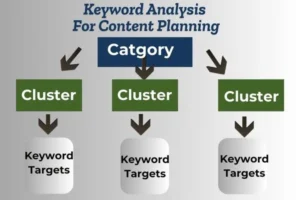
Organizing Keywords into Content Clusters
For effective content planning, keywords should not be selected individually without structure. Instead, group related keywords into topic clusters. Choose one main keyword as a pillar topic and create supporting articles around related subtopics.
This method strengthens internal linking, improves topical authority, and makes your content strategy more organized and scalable.
Prioritizing Keywords StrategicallyNot all keywords should be published at the same time. During content planning, prioritize keywords based on difficulty, search volume, and business relevance. Start with lower-competition keywords to build authority and gradually target more competitive terms.
Strategic prioritization ensures steady growth rather than relying on high-risk, high-competition keywords from the beginning.