
Keyword Research for Beginners
Keyword research is the process of finding the words and phrases that people type into search engines like Google. For beginners, it is the first and most important step in SEO. Without choosing the right keywords, your content may not reach the right audience. Keyword research helps you understand what your target audience is searching for and allows you to create content that matches their needs.
Why Keyword Research Is Important
Keyword research is important because it connects your content with real user searches. When you target the right keywords, your website has a better chance of appearing in search results. It also helps you understand your audience’s interests, problems, and questions. By focusing on relevant keywords, you can increase website traffic, improve rankings, and attract the right visitors who are genuinely interested in your content.
Understanding Your Niche and Audience
Before using any tools, beginners should clearly understand their niche and target audience. Think about what topics your website covers and what kind of information your audience is looking for. Ask simple questions like: What problems do they have? What solutions are they searching for? This basic understanding helps you create seed keywords, which are simple words or phrases related to your topic.
Using Keyword Research Tools
Once you have basic ideas, you can use free keyword research tools to find more keyword suggestions. Tools like Google Keyword Planner, Ubersuggest, and Google Trends are helpful for beginners. Even Google search itself provides suggestions through autocomplete and the “People Also Ask” section. These tools show search volume, competition level, and related keywords, which help you choose better options for your content.
Long-Tail Keywords for Beginners
Long-tail keywords are longer and more specific phrases, such as “how to do keyword research for beginners.” These keywords usually have lower competition and are easier to rank for, especially for new websites. Instead of targeting very broad keywords, beginners should focus on specific phrases that clearly match what users are searching for. This strategy increases the chances of ranking faster.
Understanding Search Intent
Search intent means understanding the reason behind a user’s search. Some people search for information, while others want to buy a product or compare options. For example, someone searching “best free keyword research tools” is likely looking for recommendations. Your content should match the user’s intent to rank well and provide value.
Analyzing Keyword Competition
Before finalizing a keyword, it is important to check the competition. You can search the keyword on Google and analyze the top-ranking pages. Look at their content quality, length, and website authority. If large, well-known websites dominate the results, ranking may be difficult. Beginners should start with low-competition keywords where smaller websites are already ranking.
Monitoring and Updating Your Keywords
Keyword research is not a one-time process. Trends and search behavior change over time, so you should regularly review and update your keywords. Tools like Google Search Console can help you see which keywords are bringing traffic to your website. By analyzing performance and improving content, you can grow your website steadily.
The Role of Keywords in Search Engine Discovery
Keywords are the words and phrases that people type into search engines to find information. They act as a bridge between users and websites. When someone searches for a topic, search engines scan web pages to find content that matches those keywords. If your content includes relevant and properly used keywords, it becomes easier for search engines to understand your page and show it in search results.
How Keywords Improve Visibility
Keywords help search engines determine the main topic and relevance of your content. When placed naturally in titles, headings, and paragraphs, they signal what your page is about. Choosing the right keywords—especially specific and low-competition ones—can improve your chances of ranking higher. By matching keywords with user intent, you make your content more discoverable and useful for the right audience.
Beginner’s Mindset for Choosing the Right Keywords
Choosing the right keywords starts with thinking like your audience, not like an expert. As a beginner, you should focus on understanding what real people are searching for and how they phrase their questions. Instead of using complex or technical terms, consider simple and common search queries that users might type into Google. This mindset helps you create content that matches actual search behavior.
Another important part of a beginner’s mindset is avoiding highly competitive keywords at the start. Broad keywords may look attractive because they have high search volume, but they are often difficult to rank for. Beginners should focus on specific, long-tail keywords that have lower competition and clearly defined intent. This approach increases the chances of ranking and attracting targeted traffic.
Keyword Research Explained Without Technical Jargon
Keyword research simply means finding out what people are typing into Google when they are looking for something. It is about understanding the exact words your audience uses so you can create content that answers their questions. Instead of guessing what to write about, keyword research helps you choose topics that people are already searching for.

Think of it like this: if you open a shop, you would want to sell products that customers actually want to buy. In the same way, when you create a website or blog, you should write about topics that people are interested in. By knowing the right keywords, you can match your content with what users need. You don’t need complicated tools to start. You can look at Google’s search suggestions, related searches, and common questions people ask. These give you ideas about popular topics. The goal is to pick clear and specific phrases that are not too competitive but still searched by users.In simple words, keyword research is about listening to your audience through search engines. When you understand what people are looking for, you can create helpful content that gets discovered more easily online.
How People Search Online
People search online by typing words, questions, or short phrases into search engines like Google. Sometimes they search for quick information, such as “what is SEO,” and other times they look for detailed solutions like “how to improve website speed for beginners.” Many users also search in the form of questions, comparisons, or problem-based queries. Their search behavior usually reflects a need—whether it is learning something new, solving a problem, or buying a product.
Search habits are also becoming more natural and conversational. With mobile devices and voice search, people often use full sentences instead of short keywords. For example, instead of typing “SEO tips,” someone might search “what are the best SEO tips for a new website.” This shows that search behavior is focused on clear intent and specific needs.
Why It Matters
Understanding how people search is important because it helps you create content that matches their expectations. If you know what type of questions your audience is asking, you can provide direct and helpful answers. When your content aligns with user intent, search engines are more likely to show it in results.
It also matters for SEO success. Creating content without understanding search behavior can lead to low traffic and poor engagement. But when you focus on real search queries and user needs, your content becomes more relevant, discoverable, and valuable. In simple words, knowing how people search helps you connect your content with the right audience at the right time.
From Ideas to Keywords: Where to Start
Turning simple ideas into the right keywords is the first step in building strong SEO content. Many beginners feel confused about where to begin, but the process becomes easier when you follow clear and simple steps.

Start with Your Main Topic
Begin by identifying your main topic or niche. Think about what your website or blog is abou
- What subject do you want to write about?
- Who is your target audience?
- What problems are they facing?
- What solutions can you provide?
Your answers will help you generate basic keyword ideas.
Create Seed Keywords
Seed keywords are simple words or short phrases related to your topic. These are the starting point of keyword research.
- SEO tips
- Keyword researc
- Website traffic
- Digital marketing basics
These basic terms help you discover more specific keyword variations.
Use Google for Ideas
Google itself is a powerful free tool for keyword ideas.
- Google Autocomplete suggestions
- “People Also Ask” section
- Related searches at the bottom of the page
Find Long-Tail Keywords
Long-tail keywords are longer and more specific phrases. They are easier to rank for, especially for beginners.
Instead of: SEO
Use: SEO tips for small business websites
Long-tail keywords usually have lower competition and clearer search intent.
Check Search Intent
Before finalizing a keyword, understand why people are searching for it.
Ask yourself:
- Are they looking for information?
- Do they want to buy something?
- Are they comparing products?
Identifying Early Keyword Opportunities
Spotting ranking opportunities early starts with finding keywords that show potential growth but have low competition. These are usually long-tail keywords or emerging search queries that are gaining attention but are not yet heavily targeted by strong websites. By using tools like Google Trends, Google Autocomplete, and “People Also Ask,” you can discover what users are beginning to search for. If a keyword shows increasing interest and the current top-ranking pages are weak, outdated, or poorly optimized, it signals a strong opportunity. Publishing high-quality, well-structured, and updated content around these keywords can help you rank faster before the competition increases.
Analyzing Competitors and Content Gaps
Another important method is carefully analyzing competitor websites and identifying content gaps. When you review the first page of Google and notice low-authority domains, thin content, or poorly formatted articles, it means you can create something better and more valuable. Additionally, checking what topics your competitors cover—and what they miss—can reveal hidden opportunities. By filling these gaps with comprehensive, SEO-optimized content that matches search intent, you increase your chances of ranking early and building authority in your niche before the space becomes crowded.
Understanding Keyword Value
Understanding keyword value means looking beyond just search volume and focusing on the real potential a keyword brings to your website. Many beginners make the mistake of targeting keywords only because they have high monthly searches. However, high volume does not always mean high results. A keyword with lower search volume but strong user intent can bring more qualified traffic, better engagement, and higher conversions. Keyword value depends on factors such as search intent, competition level, relevance to your niche, and the likelihood of turning visitors into customers or loyal readers. When you focus on value, you prioritize keywords that align with your goals rather than chasing numbers.
Using Keyword Insights to Plan Better Content
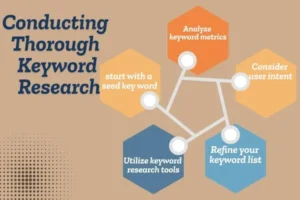
Keyword insights help you understand what your audience is truly searching for and how you can create content that directly matches their needs. Instead of randomly choosing keywords, analyzing keyword data allows you to see search intent, competition level, related queries, and trending topics. When you study these insights carefully, you can plan content that is more targeted, structured, and strategic. This approach not only improves your chances of ranking higher in search engines but also ensures your content provides real value to readers. By aligning your content with keyword insights, you create articles that answer specific questions, solve real problems, and attract the right audience.
Key Ways to Use Keyword Insights in Content Planning:
- Understand Search Intent: Identify whether users are looking for information, comparisons, solutions, or products, and tailor your content accordingly.
- Group Related Keywords: Combine similar keywords into one comprehensive article instead of creating multiple thin posts.
- Find Content Gaps: Discover topics your competitors have not covered properly and create more detailed, updated content.
- Optimize Content Structure: Use related keywords in headings (H2, H3), FAQs, and subtopics to improve SEO.
- Target Long-Tail Keywords: Focus on specific phrases that are easier to rank for and attract highly relevant traffic.
- Plan Future Topics: Use trending and related searches to build a consistent content calendar.
When to Target Broad Keywords
Broad keywords are short, general search terms like “SEO tools” or “digital marketing.” These keywords usually have high search volume and attract a large audience. You should consider targeting broad keywords when your website already has strong domain authority, consistent traffic, and high-quality backlinks. Established websites can compete more effectively because search engines trust them. Broad keywords are also useful when you want to build brand awareness, create pillar content, or cover foundational topics in your niche. In such cases, you can create a comprehensive, in-depth guide that targets the broad term while naturally including related subtopics and long-tail variations.
When Not to Target Broad Keywords
Broad keywords are often highly competitive and difficult to rank for, especially if your website is new or has low authority. If the first page of search results is dominated by large, trusted websites with strong backlink profiles, it may not be practical to compete directly. In these situations, it is better to focus on long-tail or specific keywords that have lower competition and clearer search intent. These keywords may have less search volume, but they attract more targeted traffic and provide faster ranking opportunities. Instead of chasing high-volume terms, prioritize relevance, intent, and realistic ranking potential to build steady and sustainable SEO growth.
Start with Clear Goals and Audience Research
Building a keyword list that actually works begins with understanding your goals and your target audience. You need to know who you are creating content for and what they are searching for. Identify their problems, questions, and interests within your niche. Instead of randomly choosing high-volume keywords, focus on relevance and intent. Use tools like Google Autocomplete, People Also Ask, Google Trends, and keyword research platforms to gather ideas. Look at search intent carefully—are users looking for information, comparisons, or solutions? A strong keyword list should align with your content goals and attract the right audience, not just large numbers of visitors.
Organize, Filter, and Prioritize Keywords
After collecting keyword ideas, the next step is organizing and refining them. Group similar keywords into clusters so you can create comprehensive content instead of multiple weak pages. Prioritize long-tail keywords if your website is new, as they are easier to rank for and often bring more targeted traffic. Remove keywords that are too competitive, unclear in intent, or unrelated to your niche. Finally, assign each selected keyword to a specific page or blog topic to avoid keyword cannibalization. When your keyword list is structured, realistic, and aligned with your strategy, it becomes a powerful foundation for sustainable SEO growth.
Understanding Traffic Potential
Balancing traffic potential and competition starts with properly evaluating how much value a keyword can bring to your website. Traffic potential is not just about high search volume; it also includes relevance, intent, and the ability to rank for related variations. A smart SEO strategy focuses on keywords that can generate steady, targeted traffic rather than just large numbers.
Key Points to Consider for Traffic Potential:
Search Volume: Check monthly searches, but do not rely on it alone.
Search Intent: Ensure the keyword matches what your audience is looking for.Topic Depth: Choose keywords that allow you to rank for multiple related terms.
Relevance: Focus on keywords closely connected to your niche and goals.
Conversion Potential: Prioritize keywords that can lead to engagement or action.
Evaluating Competition and Finding Balance
Competition determines how difficult it will be to rank for a keyword. High-competition keywords are often dominated by authoritative websites with strong backlink profiles. Instead of targeting extremely competitive terms, aim for keywords that offer a realistic chance of ranking while still bringing meaningful traffic.
Key Points to Evaluate Competition:
Domain Authority of Competitors: Check if top results are strong, established websites.
Content Quality: Identify weak, outdated, or thin content you can improve upon.
Backlink Strength: Analyze whether ranking pages have many high-quality backlinks.
Keyword Difficulty Score: Use SEO tools to estimate ranking difficulty
Long-Tail Alternatives: Target more specific phrases with lower competition.
How to Spot Ranking Opportunities Early

Spotting ranking opportunities early means identifying keywords and topics that are starting to gain attention but are not yet highly competitive. In SEO, timing plays a major role. When you publish content around a keyword before it becomes saturated with strong competitors, you increase your chances of ranking faster and with less effort. These opportunities often appear as long-tail keywords, new industry trends, or search queries where the current top-ranking content is weak, outdated, or not fully optimized. Instead of focusing only on high search volume, you should pay attention to rising interest, search intent, and the quality of pages already ranking.
Signs of Early Ranking Opportunities:
Rising Search Trends: Keywords showing steady growth in Google Trends.
low-Authority Competitors: Page one results with small or new websites.
Weak Content Quality: Short, outdated, or poorly optimized articles ranking.
Long-Tail Keywords: Specific phrases with lower competition.
New or Emerging Topics: Industry trends that are just starting to gain attention.
Practical Steps to Find and Use These Opportunities
Finding early opportunities requires consistent research and competitor analysis. You must evaluate both keyword data and the quality of current search results. The goal is to discover gaps where you can provide better, more comprehensive, and more optimized content.
Action Steps to Take:
Use Google Autocomplete and People Also Ask to find real user queries.
Analyze Page One Results to identify weaknesses you can improve upon.
Check Content Gaps by reviewing competitor blogs and missing subtopics.
Create In-Depth, Updated Content that fully satisfies search intent.
Act Quickly before larger competitors start targeting the same keyword.