
What Is SEO?
SEO stands for Search Engine Optimization. SEO is the process of improving a website so it appears higher in search engine results like Google, Bing, and Yahoo.The main goal of SEO is to increase organic (free) traffic by ranking higher on search engine results pages (SERPs)
Today, millions of websites exist on the internet. Without SEO, your website can get lost. No matter how good your content or product is, people may never find it. That is why SEO is extremely important for bloggers, students, freelancers, and business seo aims to ensure your website pages are seen as a high quality relevant source for your target audience and help bring the right users to your website for the right search queries this should give you an edge over your competitors and ultimately lead to more conversion and lifetime customers.
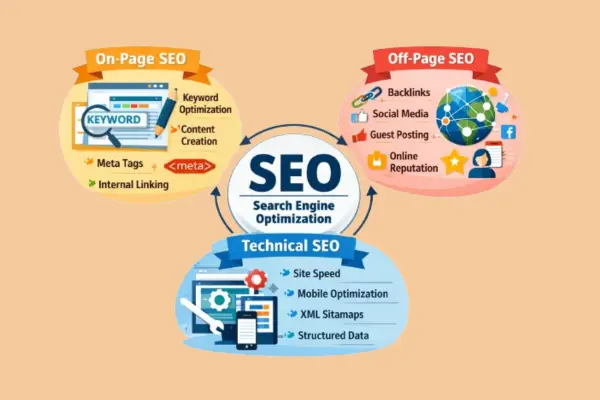
Three Pillars of SEO
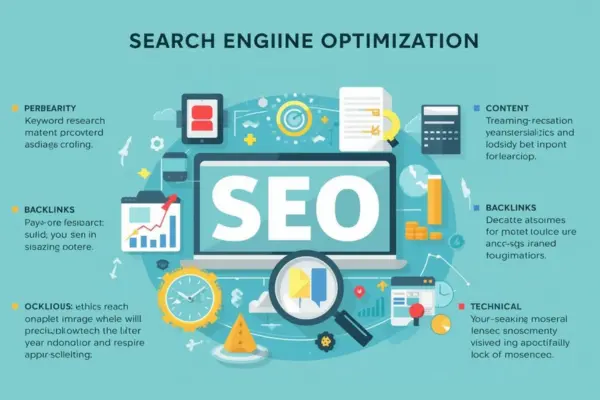
On-page SEO, content, keywords, titles
Off-page SEO, backlinks sharing
Technical SEO, website speed, mobile-friendly
On-page Optimization
So what is on-page SEO? It is the process of making your website content better. This means doing things to improve the parts of your website that people can see, like the words and pictures. Google has a way of looking at the content on your website and deciding how good it is. People and search engines like Google want to see high-quality content. This helps your website show up in search results.
On-Page SEO Includes:
Keywords
Keywords are what people type into Google when they are looking for something.
For example:
- what is seo
- seo for beginners
The title is the heading that shows up on Google.
For example: What Is SEO
Content
Your content should be:
Easy to understand
Helpful
Clear
Original
Headings
Use headings to organize your content like H1, H2, H3.
Images
Add. Give them simple names and descriptions.
Off-Page Optimization
Off-page optimization is about doing things outside of your website to help it show up better in search engines like Google. This means doing things to improve your websites ranking but not on your website. It is mostly about getting high-quality backlinks that help people trust your website.
Main Elements of Off-Page Optimization
Backlinks Backlinks are when other websites link to your website.
For example:
If another website links to your blog that is a backlink.
Guest posting is when you write an article for another website and include a link to your website.
For example:
You write an article on another blog. Say “Visit my website for more details.”
Brand Mentions
When other websites mention your website or brand it helps build trust.
For example:
“XYZ Blog is the place to learn about SEO.”
Social Media Sharing
When you share a link to your blog or website on media that is social media sharing.
For example:
You write a blog titled “What Is SEO.”
You share the link on Facebook.
People click the link. Visit your website.
There are ways and bad ways to do, off-page optimization:
White Hat (Good Methods)
Getting natural backlinks
Promoting your website honestly
Sharing high-quality content
Black Hat (Bad Methods)
Buying links
Leaving spam comments
Writing reviews
Technical SEO
The process of SEO is to make the website better so that search engines like Google can read it easily. Technical SEO is about making the website fast and easy to use on phones. It has to be secure and easy to navigate. Technical SEO also includes fixing links and adding a map of the website. When Technical SEO is done right the website works well for users and search engines which helps it rank higher on Google.
Why is Technical SEO important?
Technical SEO is very important because it helps people find your website on Google and other search engines. Every day people search online for things. If your website is set up with Technical SEO it can show up on the first page of search results. Most people click on the few links so Technical SEO helps bring more visitors to your website without paying for ads. This is very helpful for new businesses and small companies.
Technical SEO also helps build trust. People trust websites that show up at the top of Google results and think they are reliable. When your website ranks higher more users trust your brand. Technical SEO makes your website fast and easy to use, which keeps visitors on your site longer.
Important for search engines
Technical SEO is important for search engines because it helps them understand your website. When a website follows SEO rules search engines can read its pages easily. Technical SEO tells search engines what your website is about and what it says. It also makes your website fast and easy to use on phones, which helps search engines give results to users. When search engines understand your website they can rank it correctly. Show it to the right people.
Online visibility
Online visibility is how easily people can find your website. When your website has Technical SEO it shows up higher on Google so more people can see it. Most users click on websites that show up on the page so it brings more visitors to your website.
Brand awareness
Brand awareness is when people start to know and remember your website or business name. When your website shows up on Google through good Technical SEO more people know your brand. Even if they do not click they remember your name. Over time it builds trust. Makes users more likely to visit your website. Strong brand awareness helps your business grow.
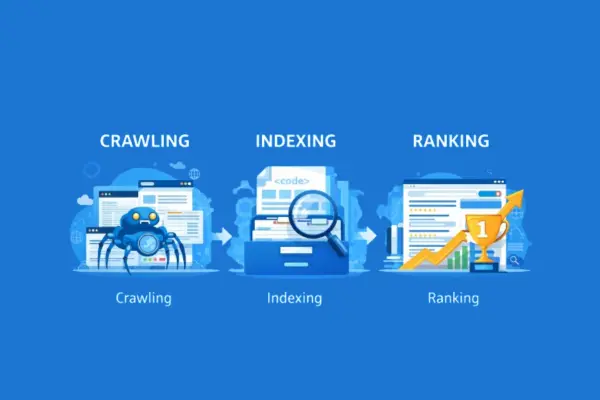
Crawlability and indexing capability
Crawlability and indexing capability are how search engines like Google can find and read your website pages. When a website is easy to crawl Google can move through its pages without problems. When it is easy, to index Google can save those pages. Show them in search results. A clear website structure and proper links help improve crawlability and indexing. If search engines cannot crawl or index a website it will not show up on Google even if the content is good. Technical SEO helps with this.
Core Web Vitals – what does the page feel like when it loads?
Google actually measures this based on real data from users who have already visited a site: how quickly does it load? Do any of the elements on the page move around while loading? When do the users get to click on anything? All of these metrics are derived from real visits (i.e. they are not constructed from a guess or a data simulation). There are pieces of data that represent the first time the first big image loads. There is also data that represents how much the page jumps around while loading. One measure represents how long it takes for a user’s hand, on a tap or click, to register on the website. These metrics will measure different aspects of how the website responds to using different metrics. How much time it takes to load (speed) before a user can begin to interact and get any sort of visual feedback from a tap or click. The stability of all of the elements on the page throughout the loading of the page. Websites that are user–friendly convey this most clearly when viewed on a mobile device. The actual user experience due to the capture of actions that can be performed while the page loads helps to create a better
User experience based on the Core Web Vitals. Keyword Research
the starting point to optimization for an SEO strategy should begin with determining what keywords are being used to search for your website. What keyword phrases are being entered into Google search will tell you what’s on the mind of the viewer. Sustainability can better be defined by providing an exact match with the keyword or phrase. Each website use their own language, while searching users use the terms they know. It is essential to discover the different combinations of words that people are using, so that you are creating content using the exact terminology or words being entered into the search engine.
Type of User Intent Informational User Intent
User Intent
User Experience is about creating a site that is user-friendly and beneficial to the users.
How to Audit Your SEO
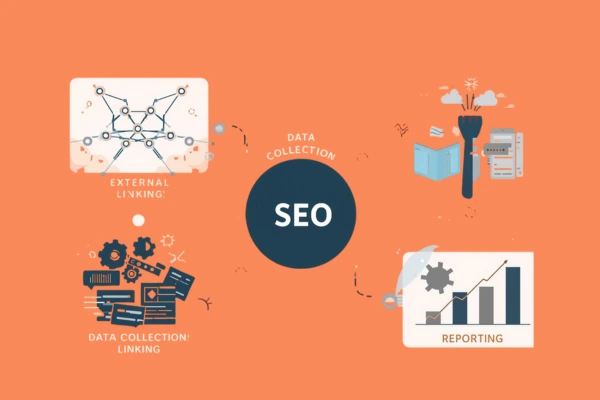
A full SEO check of your website looks at all the elements of your site to identify strengths and weaknesses, and gives recommendations for enhancement of your site’s ranking in Google. This will allow SEO professionals to understand possible reasons as to why your site isn’t ranking well and provide constructive solutions to make positive changes on your site to improve ranking and overall website effectiveness.
SEO Audit Checklist
SEO Audit Checklist An SEO audit checklist can be a useful tool to help you determine if your website is optimized to its fullest extent for search engines. An SEO audit might include the following: Website Speed Mobile Friendly Design Website Indexing On-page SEO elements such as Title Tags and Meta Descriptions Qualitative Assessment of Website Content Keywords Used in Content Links Between Internal and External Websites Technical Issues User Experience An SEO audit will help identify any errors, poor performing areas of the website, and ultimately improve both Google rankings, increase traffic to the site, and provide greater user experience. Keyword Review The purpose of a keyword review is to make sure that the keyword(s) you are using to optimize your website are still appropriate and effective.
Reviews of your keywords
will help you find out which keyword(s)/key phrases are bringing you traffic and which are not and whether those keywords/phrases/terms match what users are searching for. Keyword reviews will help you identify weak keywords so you can get rid of them from your site and/or enhance the content associated with that keyword. Additionally, through the keyword review process, keywords that are relevant to your audience and being searched for by them will be identified and can be added to your site, thus providing the opportunity to improve both your website‘s ranking and to reach the correct audience. Additionally, your SEO strategy will be kept current using the keyword review process.