
How to do SEO for a website
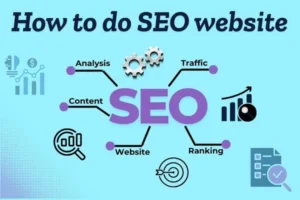
The idea’s pretty straightforward: make your site appealing to search engines, stay relevant for the terms your audience actually uses, and earn trust, so your site shows up when people are hunting for what you offer.
Think of SEO as your game plan to reach the right crowd—whether they’re searching for products, services, or anything linked to your business. You need a strategy: fresh content that matters, technical tweaks, links from solid sources, and stuff that really answers what visitors want.
Importance of SEO-Friendly Architecture
Getting your website’s architecture right matters if you want to climb search rankings and keep visitors around. When everything’s organized properly, search engines quickly grasp how your pages connect and what’s most important. Good structure isn’t just for crawlers—it makes your site easier for real people to use
Here’s how strong site architecture helps:
Search engines crawl and index your pages more easily.
Your content falls into a clear hierarchy.
The user experience gets better—visitors don’t have to hunt for stuff.
People bounce less, meaning they stay rather than leave immediately.
Your site’s ranking potential goes up.
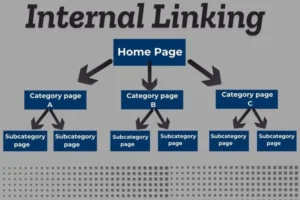
Now, let’s talk about content hierarchy—think of it like a family tree. The homepage sits right at the top as the main powerhouse. Under that are your key categories, then subcategories, and finally individual pages. This layout tells search engines which pages matter most, keeps everything connected, and lets authority flow from the top down. It prevents messy duplication, makes growth simple, and keeps things organized.
Your homepage carries the most weight.
Categories pull together similar topics.
Subcategories break things down further.
You avoid repeating content.
Your site stays tidy and scalable.
Don’t forget about URLs—they’re part of your site’s structure, too. Clean and readable URLs work better for search engines and humans. You want them short, descriptive, and keyword-rich. No random numbers or symbols. Use hyphens to separate words, and keep your whole site’s URLs consistent.
Go for short, clear URLs.
Include main keywords when you can.
Skip weird numbers or characters.
Hyphens over underscores.
Stay consistent.
Internal links
Linking your pages together guides visitors to related info and shows search engines how your topics tie in. If your top-ranking page links to others, it shares some of its authority with them. That boosts their ranking chances. Plus, smart internal linking keeps people clicking around, raising your page views and engagement.
Connect related content in a way that feels natural—don’t force links. Make your anchor text descriptive so people know where they’ll end up when they click. Try not to go overboard with links everywhere. Take advantage of high-traffic pages by linking important stuff from them. That way, you avoid orphan pages, which are basically left out of your site’s structure.
Navigation and User Experience
Navigation shapes how people use your site. If your menus are simple and clear, visitors find what they want fast. Messy navigation? That’ll just frustrate everyone and send them packing. Breadcrumbs help too, showing users exactly where they are so they don’t get lost.
Keep menus simple—don’t get fancy with endless dropdowns. Make sure everything works on mobile, because most folks are browsing on their phones. Breadcrumbs are great for clarity, and make your most important pages stand out in your menu.
Role of XML Sitemap
Think of an XML sitemap as a cheat sheet for search engines. It lists all your big pages, helping Google and others crawl your site faster and more efficiently. Even if a page is buried deep in your site, the sitemap makes sure it’s not overlooked. Don’t include duplicate or junk pages—keep the sitemap clean. Submit it to Google Search Console, and update it whenever you add new stuff.
Keyword Research – The Foundation of SEO
Keyword research is the heart of SEO. It means digging up the actual words and phrases people type into Google when they’re searching for what you offer. If you understand what your audience wants, you can make content that answers their needs spot-on. Skip keyword research, and even your best content will miss the mark—because you’re talking about stuff people aren’t actually searching for.
Why Keyword Research Matters
It tells you which topics are buzzing, what problems people need solving, and shows you how tough the competition is for certain search terms. When you go after the right keywords, you’re not just throwing content into the void. You bring in visitors who actually care about what you’re offering, boost your chances of climbing up the search rankings, and write stuff that fits what people are looking for. Plus, you end up targeting folks who are ready to take the next step, making it easier to snag conversions.
So, in plain English: keyword research is what connects your articles, blog posts, and web pages directly to the folks searching for them.
What’s Search Intent All About?
Search intent is just the fancy way of talking about what someone wants when they type something into Google. Usually, it falls into four buckets:
Informational – They’re looking for an answer or explanation (“what is SEO”).
Commercial Investigation – They’re checking out the options (“best SEO tools 2026”).
Types of Keywords You Should Know
There’s a handful you’ll bump into:
Short-tail keywords – These are broad and get tons of searches (“SEO”), but they’re hard to rank for.
Long-tail keywords – More detailed and easier for beginners (“best SEO tips for beginners”).
Branded keywords – Anything with a brand’s name in it (“Ahrefs keyword tool”).
Local keywords – Targeting a place (“SEO services in Lahore”).
If you’re just starting out, go for those long-tail keywords. They bring in visitors who are more likely to stick around and interact.
How to Do Keyword Research
Start with one main idea — like “SEO for beginners.”
Think up related questions or ideas your audience cares about.
Look at what your competitors are ranking for — sometimes you’ll spot gaps they missed.
Pick a main keyword for your content, and then sprinkle in a few secondary ones that make sense.
Important Keyword Metrics
You’ll want to keep an eye on a few things:
Search Volume – How often people are searching for the keyword each month.
Keyword Difficulty – How tough it is to get your site ranked on page one for that keyword.
CPC (Cost Per Click) – Useful for seeing how valuable that keyword is for advertisers.
Competition – Tells you how many other websites are trying to rank for it.
Getting these basics right sets you up for solid results. Don’t overthink it: just focus on what your audience wants and start there.
Website Structure and SEO-Friendly Architecture
Website structure and SEO-friendly architecture refer to how a website is organized, linked, and designed so that both users and search engines can easily navigate and understand it. A well-structured website follows a clear hierarchy, starting from the homepage, then moving to main categories, subcategories, and individual pages. This organized structure helps search engines crawl and index pages efficiently while also improving user experience. When visitors can quickly find the information they are looking for, they tend to stay longer on the website, which positively impacts SEO performance.
An SEO-friendly architecture also includes clean URLs, logical internal linking, mobile-friendly design, and fast loading speed. Each page should be connected properly through internal links so that search engines can discover all important content. Breadcrumb navigation, XML sitemaps, and proper use of categories further strengthen the structure. When a website is technically organized and easy to navigate, it increases the chances of ranking higher in search engine results and builds trust with users.
Technical SEO – Optimizing the Website Backend
Technical SEO refers to the process of optimizing the backend structure of a website to help search engines crawl, index, and understand it more effectively. Unlike on-page SEO, which focuses on content and keywords, technical SEO works behind the scenes to improve the website’s performance and functionality. It ensures that search engine bots can access all important pages without errors and that the website meets modern search engine requirements.
Optimizing the website backend includes improving website speed, ensuring mobile-friendliness, fixing broken links, using HTTPS for security, creating XML sitemaps, and properly configuring the robots.txt file. It also involves managing structured data, canonical tags, and eliminating duplicate content issues. When the technical foundation of a website is strong, search engines can process it efficiently, which increases the chances of better rankings and provides users with a smooth browsing experience.
On-Page SEO – Optimizing Individual Pages
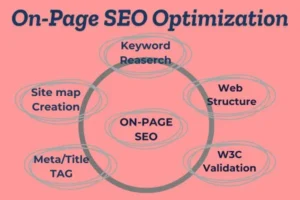
What Is On-Page SEO?
On-Page SEO is the practice of optimizing individual web pages to improve their search engine rankings and attract relevant organic traffic. It focuses on both the visible content and the underlying HTML elements of a page. The main goal is to help search engines clearly understand what the page is about while also making it useful and engaging for users.
Content Optimization
Content is the core of on-page SEO. Each page should provide high-quality, informative, and original content that satisfies user intent. Keywords should be used naturally in the content, especially in important areas like the introduction and subheadings, without keyword stuffing. Well-structured content with clear paragraphs improves readability and user engagement.
Title Tags and Meta Descriptions
Title tags and meta descriptions are essential elements of on-page optimization. A well-written title tag should include the main keyword and clearly describe the page topic. The meta description should be compelling and informative to encourage users to click on the page in search results.
Proper Use of Headings
Headings such as H1, H2, and H3 help organize content and make it easier to read. The H1 tag should clearly define the main topic of the page, while H2 and H3 tags should structure the content into logical sections. This improves both user experience and search engine understanding.
URL Structure and Internal Linking
SEO-friendly URLs should be short, clean, and descriptive. Internal linking connects related pages within the website, helping search engines discover content and distribute ranking authority across pages. A strong internal linking strategy also keeps users engaged for longer periods.
Image Optimization and User Experience
Images should be optimized with proper file names and alt text to improve accessibility and search visibility. Page speed, mobile-friendliness, and easy navigation also play an important role in on-page SEO. When individual pages are fully optimized, they perform better in search results and provide a smoother experience for visitors.
Measuring SEO Performance and Results
Why Measuring SEO Performance Is Important
Measuring SEO performance is essential to understand whether your strategies are working or not. Without tracking results, it is impossible to know if your website is improving in search rankings, attracting more visitors, or generating conversions. Regular analysis helps identify strengths, weaknesses, and areas that need improvement, allowing you to adjust your SEO strategy effectively.
Tracking Organic TrafficOrganic traffic is one of the most important indicators of SEO success. It shows how many visitors are coming to your website from search engines without paid ads. An increase in organic traffic usually means your keywords and content are performing well. Tools like Google Analytics help monitor traffic trends and user behavior.
Monitoring Keyword Rankings
racking keyword rankings helps you see how your target keywords are performing in search engine results. If your rankings improve over time, it indicates that your SEO efforts are effective. If rankings drop, it may signal technical issues, strong competition, or the need for content updates.
Analyzing User Engagement MetricsUser engagement metrics such as bounce rate, average session duration, and pages per session provide insights into how visitors interact with your website. High engagement usually means your content is relevant and valuable, while poor engagement may suggest that improvements are needed.
Measuring Conversions and GoalsSEO success is not just about traffic; it is also about achieving business goals. Conversions such as form submissions, purchases, or newsletter sign-ups show whether your website is turning visitors into customers. Setting up goals in analytics tools helps track these actions accurately.
Using SEO Tools for Reporting Various SEO tools help measure and analyze performance. Google Search Console provides data on impressions, clicks, and indexing status. Google Analytics shows user behavior and traffic sources. Advanced tools can also provide backlink analysis and competitor insights. Regular reporting ensures continuous improvement and long-term SEO growth.
SEO Tools You Should Use
Google Analytics
Google Analytics is a powerful tool that helps you track website traffic and user behavior. It shows how many visitors come to your site, where they come from, which pages they visit, and how long they stay. This data helps you understand user engagement and measure SEO performance more accurately.
Google Search Console
Google Search Console allows you to monitor how your site appears in Google search results. It provides data on search impressions, clicks, keyword rankings, and indexing issues. You can also submit sitemaps and fix errors to improve your website’s visibility.
Keyword Research Tools
Keyword research tools help you find relevant keywords that your audience is searching for. Tools like Ahrefs, SEMrush, or Ubersuggest show search volume, competition levels, and keyword ideas. Using the right keywords helps optimize content and improve rankings.
Backlink Analysis Tools Backlink analysis tools allow you to monitor the quality and quantity of websites linking to yours. Tools like Moz Link Explorer and Majestic help you understand your backlink profile and find opportunities to build more high-quality links, which can boost your search rankings.
Page Speed and Performance ToolsPage speed tools, such as Google PageSpeed Insights and GTmetrix, analyze your website’s loading speed and performance issues. Faster websites offer better user experience and are favored by search engines, making these tools essential for technical SEO.
On-Page SEO ToolsOn-page SEO tools like Yoast SEO and Rank Math help optimize individual pages by providing suggestions for keyword placement, meta tags, readability, and content structure. These tools make it easier to follow best practices for on-page optimization.
Off-Page SEO and Link Building
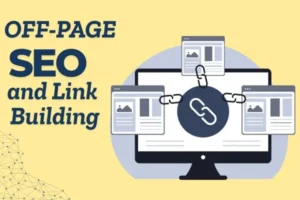
Off-Page SEO and link building focus on improving a website’s authority and credibility through activities that happen outside the website itself. The main goal is to build high-quality backlinks from relevant and trustworthy websites, as search engines consider these links as signals of trust and popularity. When other reputable websites link to your content, it increases your site’s authority and improves its chances of ranking higher in search results. Effective off-page SEO is not about getting a large number of links, but about earning natural, relevant, and valuable backlinks that strengthen your website’s overall reputation and visibility.
Common SEO Mistakes to Avoid
Ignoring Keyword Research
One of the most common SEO mistakes is not doing proper keyword research. Targeting the wrong keywords or highly competitive terms without strategy can prevent your content from ranking. Choosing relevant keywords with proper search intent is essential for success.
Keyword Stuffing
Using too many keywords unnaturally in your content can harm your rankings. Search engines prefer natural, user-friendly content. Keyword stuffing makes content difficult to read and may lead to penalties.
Poor Website Structure
A confusing website structure makes it difficult for search engines to crawl and index pages. If important pages are not properly linked, they may not rank well. A clear hierarchy and internal linking strategy are important.
Ignoring Mobile Optimizationwith most users browsing on mobile devices, a website that is not mobile-friendly can lose rankings and traffic. Responsive design and fast loading speed are essential for better SEO performance.
Slow Page SpeedSlow-loading websites negatively affect user experience and search rankings. Optimizing images, reducing unnecessary scripts, and improving hosting performance can help increase speed.
Not Updating Old ContentSEO is not a one-time task. Ignoring outdated content can cause rankings to drop over time. Regularly updating and improving old content keeps your website relevant and competitive.
Overlooking Technical SEOTechnical issues like broken links, duplicate content, missing meta tags, or improper indexing can limit your website’s performance. Regular SEO audits help identify and fix these problems.