SEO-Friendly URL Structure: Best Format for Rankings
When it comes to search engine optimization, most people focus heavily on keywords, backlinks, and content quality. While these elements are essential, many website owners overlook one small but powerful factor: SEO friendly URL structure
A well-optimized URL can make a huge difference in how search engines understand your page and how users interact with your website. In fact, having an SEO-friendly URL structure improves your chances of ranking higher in Google and other search engines.
In this guide, we will explore what SEO-friendly URLs are, why they matter, and how you can structure them correctly for maximum SEO benefit.
What Is an SEO-Friendly URL?

An SEO-friendly URL is a web address that is easy for both users and search engines to understand. It clearly describes the content of the page using readable words instead of random letters, numbers, or unnecessary parameters.
Example of an SEO-Friendly URL:
Example of a Poor URL:
The first URL is clean, readable, and contains relevant keywords. The second is confusing, unstructured, and provides no clear context.
Why URL Structure Matters for SEO Rankings
Your URL is one of the first things search engines and users see. It plays a role in:
✅ Better Search Engine Understanding
Google uses the URL to understand what the page is about. A clean URL gives a strong signal of relevance.
✅ Improved User Experience
Short and descriptive URLs are easier to read, remember, and share.
✅ Higher Click-Through Rate (CTR)
When your URL appears in search results, users are more likely to click if it looks trustworthy and relevant.
✅ Keyword Relevance
Including keywords in URLs can help improve visibility for those search terms.
Key Characteristics of an SEO-Friendly URL
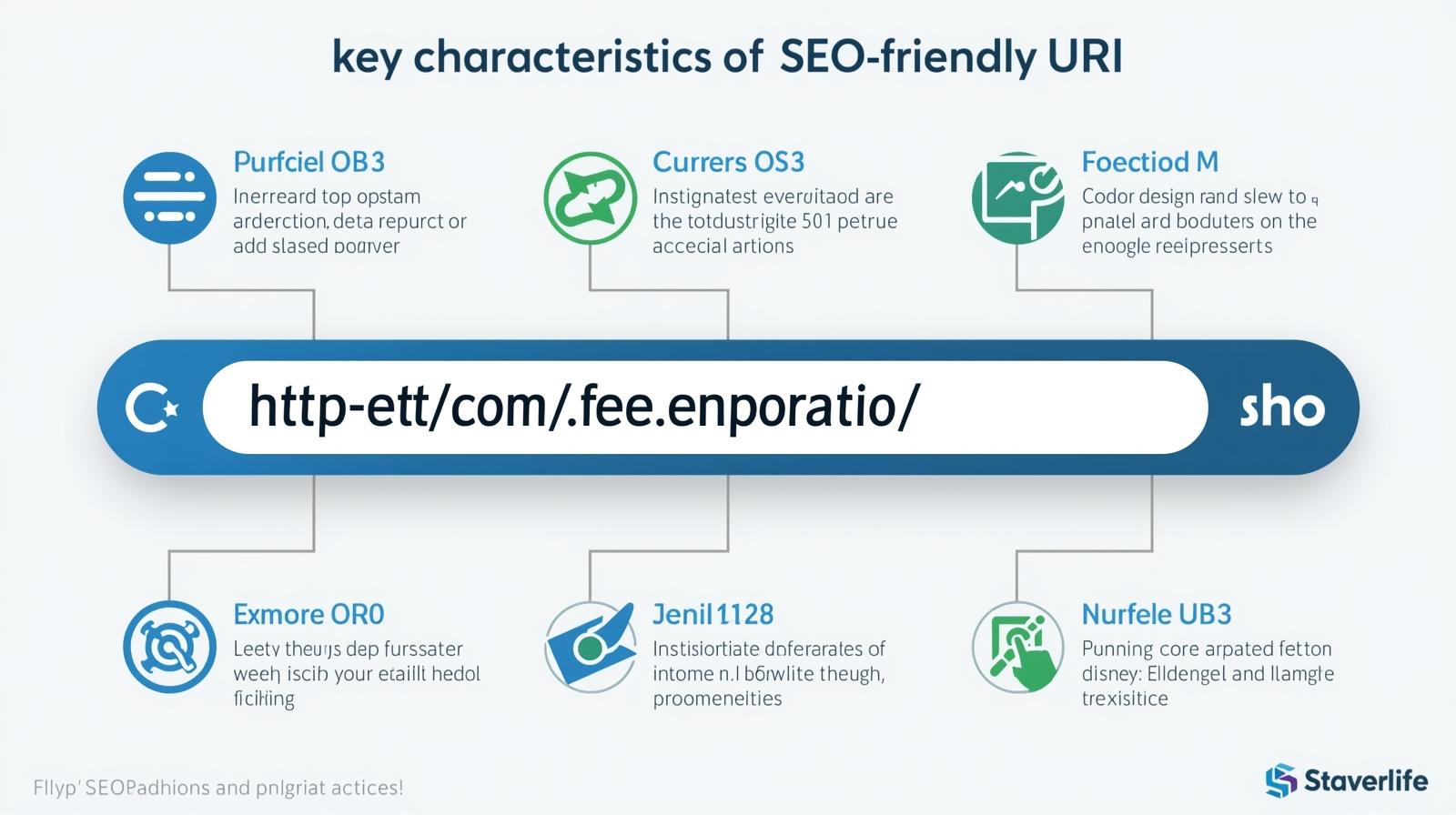
To create URLs that help rankings, follow these essential characteristics:
1. Keep URLs Short and Simple
One of the biggest mistakes people make is creating overly long URLs.
✅ Good URL:
❌ Bad URL:
Short URLs are easier to index and user-friendly.
2. Use Descriptive Keywords
Keywords in your URL help Google understand the page topic.
For example, if your article is about URL structure, include the term:
Avoid stuffing too many keywords, though.
3. Use Hyphens Instead of Underscores
Google recommends hyphens (-) for separating words.
✅ Correct:
❌ Incorrect:
Hyphens improve readability and SEO performance.
4. Avoid Special Characters and Numbers
Avoid using symbols like:
Also, random numbers can confuse users.
❌ Bad:
✅ Better:
5. Use Lowercase Letters Only
URLs are case-sensitive. That means:
and
can be treated as different pages.
Always use lowercase to avoid duplication issues.
✅ Correct:
6. Avoid Stop Words When Possible
Stop words are common words like
-
the
-
and
-
of
-
in
-
to
These words are usually unnecessary.
✅ Better:
Not ideal:
Remove extra words to keep URLs clean.
Best URL Structure Format for SEO
The ideal URL structure follows this format:
Example:
This helps search engines understand site hierarchy and improves indexing.
URL Structure for Different Types of Websites
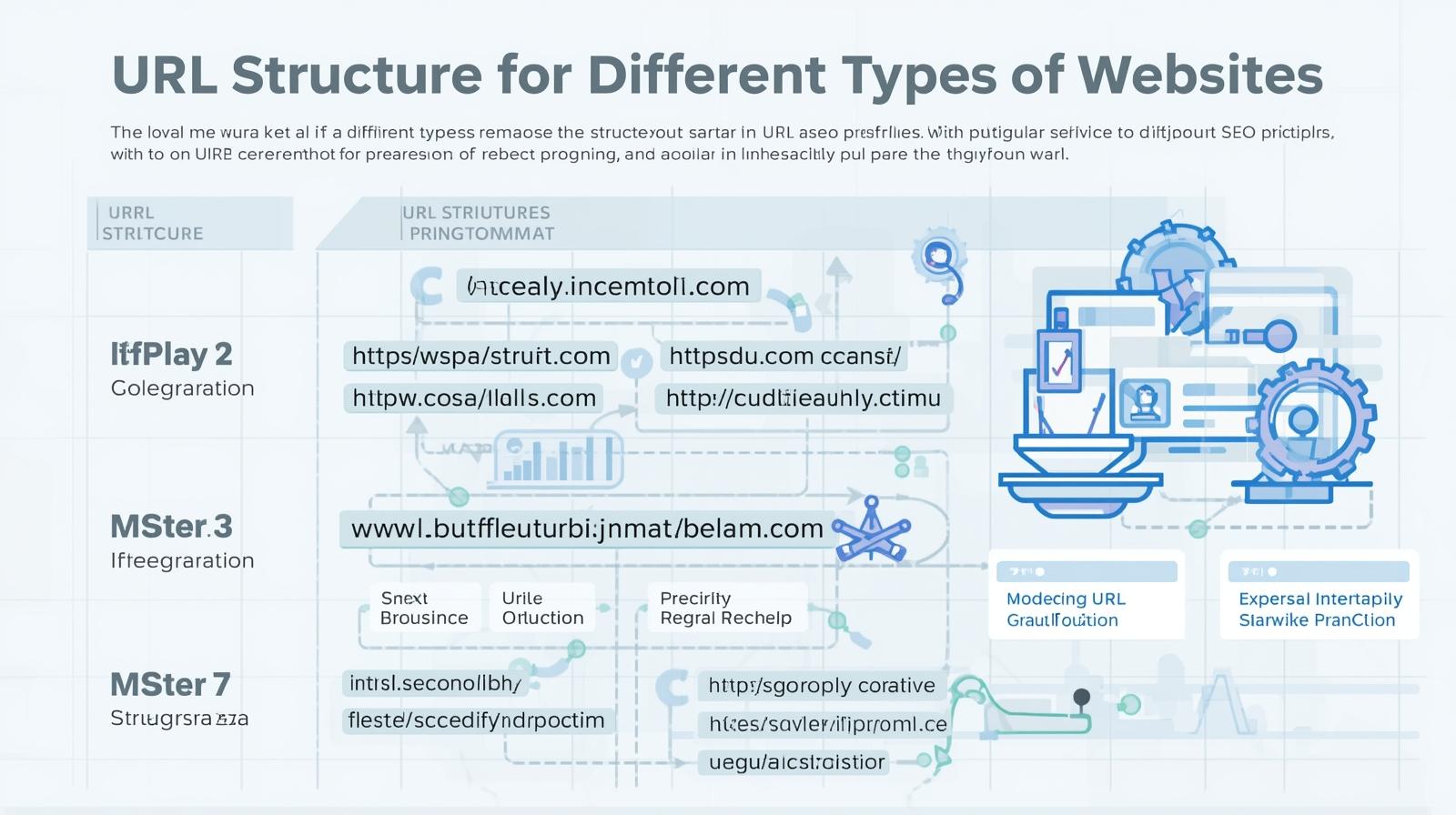
Different websites need different URL setups. Let’s explore a few:
Blog URL Structure
Best format:
Avoid:
Use the post title or keyword for SEO benefit.
E-commerce URL Structure
Best format:
Example:
Avoid long product IDs:
Service Website URL Structure
Best format:
A simple and clear hierarchy is best.
Common URL Mistakes That Hurt Rankings
Even small mistakes can negatively impact SEO.
❌ Using Dynamic URLs
Dynamic URLs with multiple parameters can confuse crawlers.
Bad example:
Static URLs are always better.
❌ Changing URLs Without Redirects
If you change a URL, always use a 301 redirect. Otherwise, you lose traffic and rankings.
❌ Duplicate URL Versions
Having both:
or: